



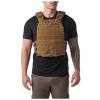
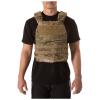
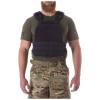
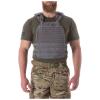
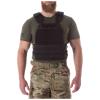
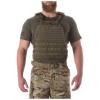
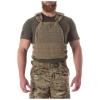
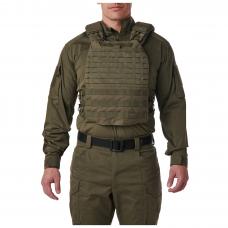


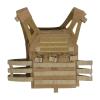
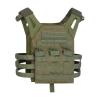
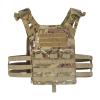
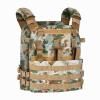
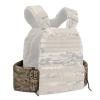
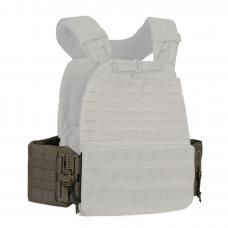
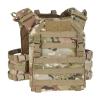
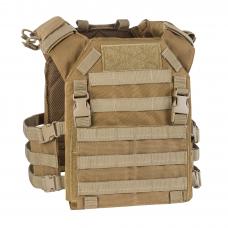
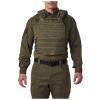
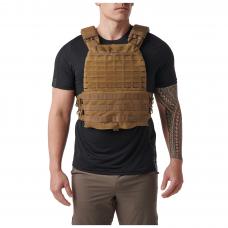
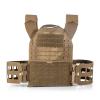
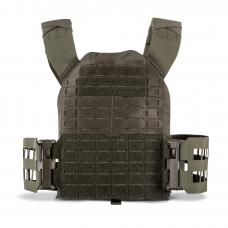
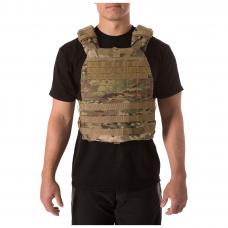
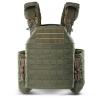
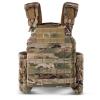
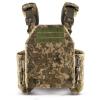
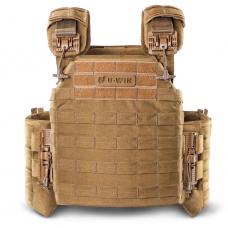
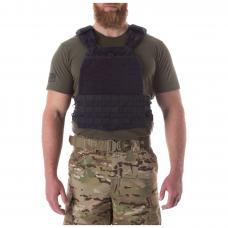
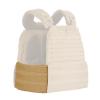
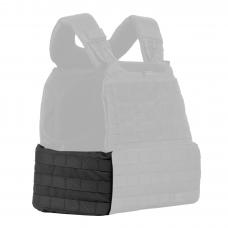
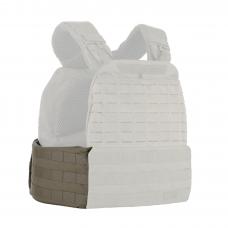
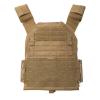
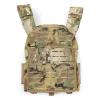
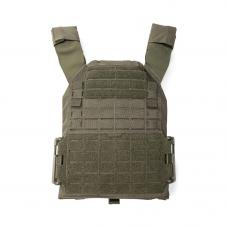
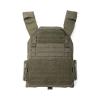
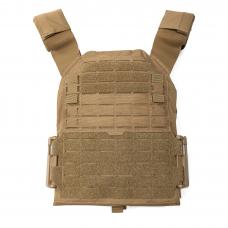
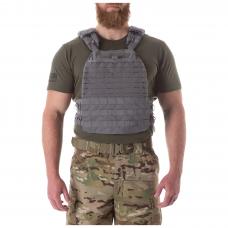
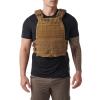
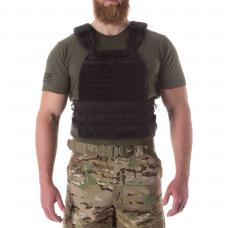
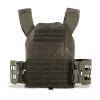
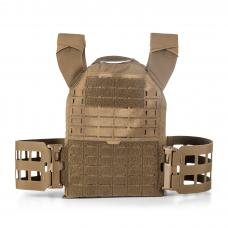
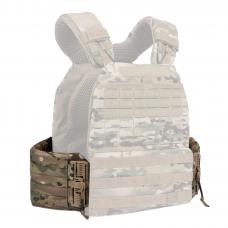
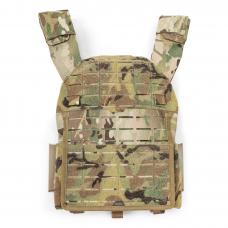
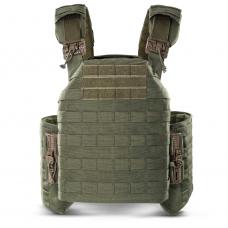
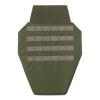
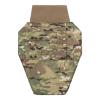
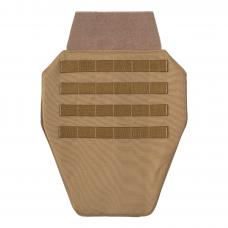
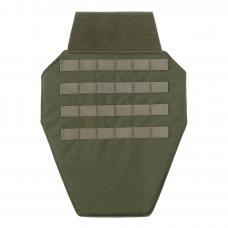
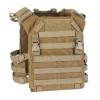
Modern protection has long moved away from heavy closed vests toward modular systems. A fighter decides what to carry and where, while the basis of such military equipment is a load-bearing platform for armor plates. In this section, we will break down how it is designed, how a Plate Carrier differs from a classic bulletproof vest, and what to look at when choosing one. The goal is simple: to help choose a model for specific tasks, rather than overpaying for unnecessary features.
What is a Plate Carrier
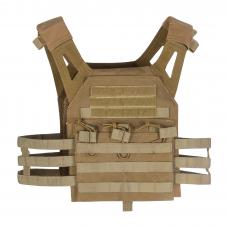
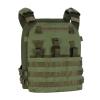
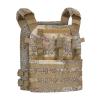
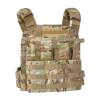
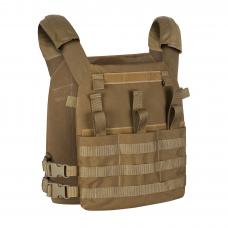
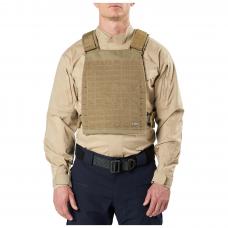
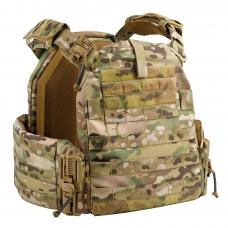
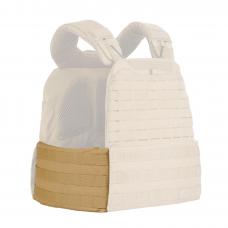
In essence, it is a carrier vest that holds armor plates in the front and back, and if necessary, on the sides as well. Unlike a soft bulletproof vest, the main Plate Carrier does not cover the entire body area, but the vital zone, providing torso protection first of all. The fabric itself does not stop bullets; its task is to carry plates and equipment. Hence the logic of the design: minimum excess, maximum functionality.
How a Plate Carrier differs from a bulletproof vest
The difference begins with weight. A classic bulletproof vest is heavier and covers a larger area, while a Plate Carrier-type construction noticeably wins in weight and mobility. Next comes mobility: less weight means higher speed and less fatigue during a long outing.
The third point is modularity, since the platform is easy to customize through pouches and size adjustment for height and equipment. Altogether, this creates a compromise between protection and freedom of movement, which each person adjusts to their own task.
What elements a modern Plate Carrier consists of
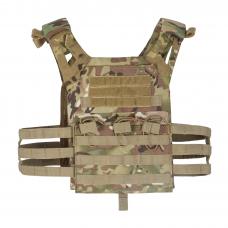
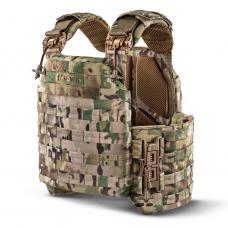
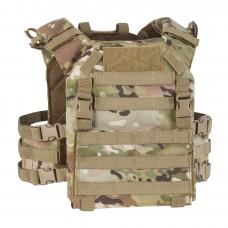
To understand the system, it is easier to break it down into parts. Usually, the platform is assembled from the following components:
- front panel for the main plate and attachments;
- rear panel with similar mounting;
- shoulder straps with height adjustment;
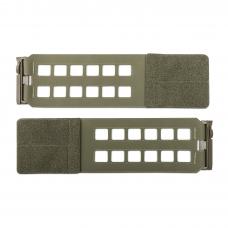
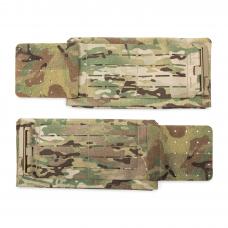
- cummerbund that wraps around the torso and fixes the vest;
- compartments for armor plates of the required size and cut;
- MOLLE system for pouches and accessories;
- Velcro panels for patches and identification marks;
- evacuation handle on the back for pulling out a wounded person.
Each component can be replaced or purchased additionally, and this is the main advantage. A specific Plate Carrier for armor plates is selected for specific armor, so the type and size of the plates should be determined in advance.
How to choose a Plate Carrier
The choice begins with the plates: first, determine the type and size of the armor, and only then choose the carrier for it. Next, look at the fit so that the vest sits tightly but does not restrict breathing. Compatibility with the rest of the equipment is also important, because the pouches must sit in their proper places.
The cost is affected by the fabric, hardware, and cut, so the price of Plate Carrier plate carriers varies from budget to professional models. If you do not have armor plates yet, it makes sense to look at the section bulletproof vest covers, where options for different needs and budgets are collected.
MOLLE system and modular customization options
The heart of modularity is the MOLLE system, rows of webbing on the panels where attachments are fixed. Thanks to it, Plate Carrier plate carriers turn from a simple plate carrier into an individual platform. Pouches for magazines, a first aid kit, a radio, or a dump pouch are placed where it is convenient for a specific fighter, and can be moved just as quickly. The more thoughtfully the attachments are arranged, the faster the hand finds what is needed in a stressful situation. In essence, you configure the system for yourself once and then work automatically.
What equipment can be placed on a Plate Carrier
The attachments depend on the task, but the basic set repeats again and again. The platform usually carries:
- pouches for magazines for the primary weapon;
- a first aid kit for self-aid and mutual aid;
- a radio and antenna mount;
- a dump pouch for empty magazines;
- a hydration bladder on the rear panel.
The main rule is not to hang everything at once, but to leave only what is really needed for the outing. An overloaded vest steals mobility and quickly exhausts, so the attachments are periodically reviewed.
Materials used in modern Plate Carriers
The system’s service life is determined by the fabric and hardware. Quality models are made from Cordura nylon with a density of 500D or 1000D, which withstands abrasion and load. The webbing is made even and strong, and the buckles are reinforced, because fixation under the weight of the plates depends on them.
For a fighter, this is not a matter of aesthetics, but reliability: military equipment works under wear and has no right to fail. If you plan to buy a Plate Carrier, first evaluate the fabric density, seam quality, and hardware, and only then the color and availability in the product card.