


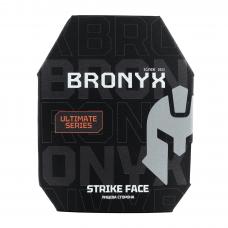
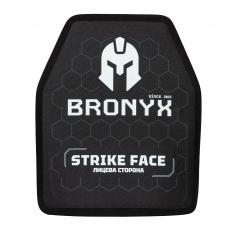
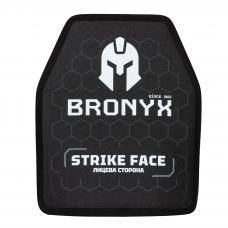
Choosing body armor starts with understanding the threat level rather than the price of the set. Level 3 armor plates cover a wide range of combat scenarios and remain one of the most popular options among tactical operators and security personnel.
Below, we explain what this classification means and which tasks Level 3 armor plates are best suited for. Understanding this difference helps avoid overpaying for excessive protection when a lighter solution is sufficient.
What Are Level 3 Armor Plates?
Protection level classifications determine which bullets, and at what velocities, a plate is capable of stopping without penetration. Level 3 armor plates are designed to withstand medium-caliber rifle ammunition, including common 7.62x39 and 5.56x45 cartridges. This level covers many real-world threats in field conditions where an opponent may use both handguns and automatic weapons.
The standard takes into account not only caliber but also bullet velocity at the moment of impact, so the same plate may withstand several types of ammunition with different energy levels. It is this balance between protection and weight that makes this category of plates a compromise option for extended wear.
Where Level 3 Armor Plates Are Used
These plates meet the needs of several groups of users, including frontline military personnel, security agency employees, and participants in tactical training. Level 3 armor plates are chosen when a reasonable balance between protection and mobility during extended movement is important. At the same time, the total weight of the equipment directly affects endurance and reaction speed in critical situations.
The practical applications of these plates can be divided into several scenarios:
- Patrol and assault operations where torso protection without sacrificing mobility is important.
- Protection of high-risk facilities where personnel face a constant threat of gunfire.
- Training ranges where tactics involving full-profile body armor are practiced.
Each of these scenarios has different requirements for plate weight and shape, so the appropriate option should be selected according to the specific task.
Range of Armor Plates at Prof1group
The catalog includes plates made from different materials, each with its own advantages in terms of weight and resistance. A polyethylene Level 3 armor plate is noticeably lighter than metal alternatives and withstands multiple impacts without a critical loss of protective properties. Ceramic armor plates, in turn, dissipate the energy of rifle impacts more effectively through the layered breakdown of the material upon impact.
The choice between materials is usually based on two criteria:
- Polyethylene: lower weight, comfort during extended wear, and resistance to multiple impacts.
- Ceramic: greater resistance to heavier ammunition with a comparable protection area.
This distinction makes it possible to select a plate for a specific use scenario without paying extra for unnecessary characteristics.
Buy Your Gear as a Complete Set on Favorable Terms
A standalone plate without a plate carrier cannot provide effective protection, so at Prof1group plates are often ordered together with a load-bearing system designed for the specific panel shape. Purchasing the equipment as a complete set reduces the overall cost and ensures that the plate fits correctly inside the carrier. This approach saves time when selecting compatible equipment components and reduces the risk of mistakes when assembling a setup independently.