

Contents of a tactical first aid kit. What should it contain?
An individual tactical first aid kit is an additional protective shield that can help save lives. Equipment helps soldiers perform combat tasks and protects them from possible risks of injury. In the event of any unforeseen circumstances, a first aid kit becomes an additional barrier and an aid in the fight for life. Proper filling with high-quality medical supplies is the key to effective and rapid assistance to the wounded. Below, we will look at the types of first aid kits and the main components that fill them.
Content
- Types of tactical first aid kits and their contents
- Main components of military first aid kits and their role
- How to keep a first aid kit ready?
Types of tactical first aid kits and their contents
A tactical first aid kit is designed for providing immediate first aid in combat conditions. In Ukraine, there are two most common types of first aid kits used by the military:
- AMZI (General Military Individual Medical Kit), in accordance with the order of the Ministry of Health.
- IFAK (Individual First Aid Kit), according to NATO standards.
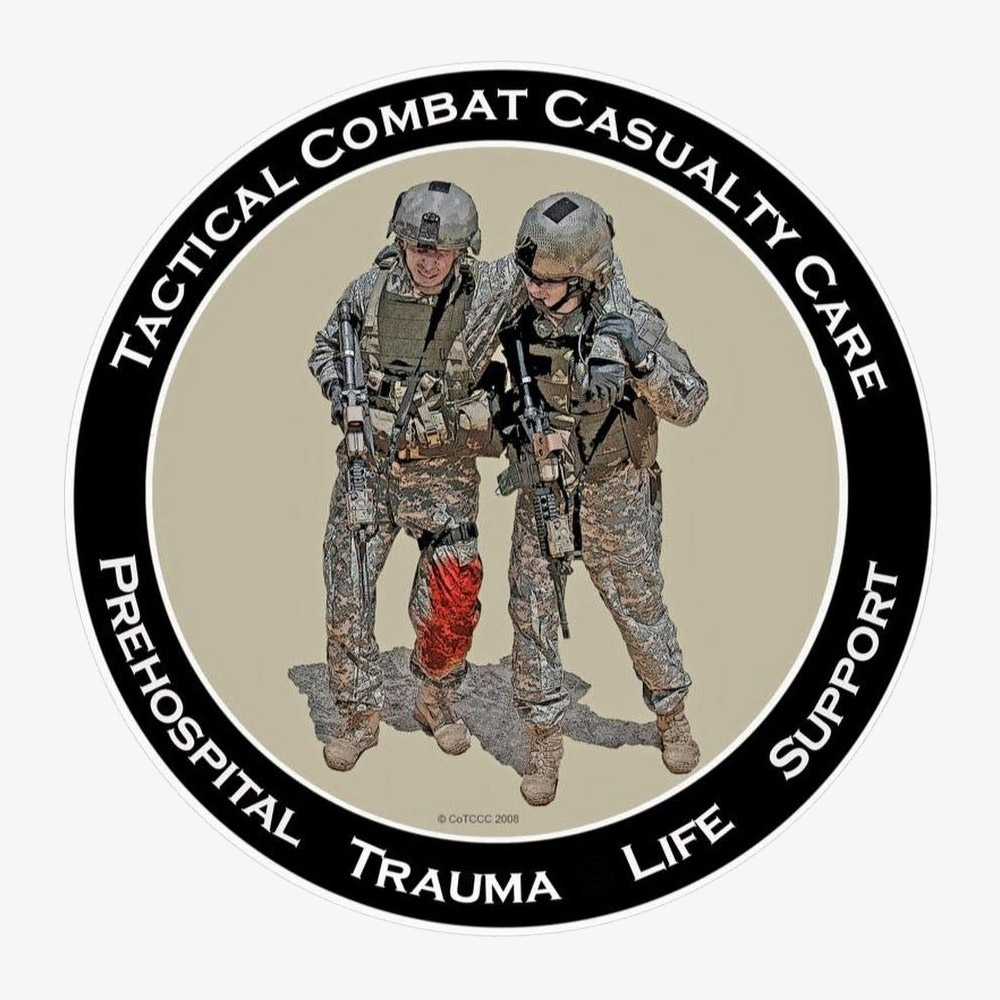
The contents of first aid kits are similar because they are based on the recommendations of the TCCC committee, which are the standard for providing assistance to many armies around the world. Back in 1993, this committee was created by the US Department of Defense and US Special Operations Command to develop protocols for providing medical care to the wounded in tactical and combat situations.
Once you have a list of the necessary components, you can purchase a ready-made tactical first aid kit or assemble one yourself from a medical pouch and medical supplies.
AMZI first aid kit
The contents of the individual medical kit (AMZI) are determined in accordance with Order No. 506 of the Ministry of Defense of Ukraine dated July 24, 2024. It is also known by another name – Tactical Military First Aid Kit with Set. This kit provides military personnel with the necessary means to provide first aid for the most common injuries and wounds in combat conditions.
This first aid kit contains the following medical products:
- Tourniquet – 2 pcs.
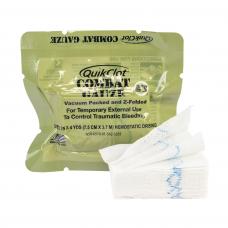
- Hemostatic bandage for tamponade – 2 pcs.
- Corrugated S-shaped bandage – 2 pcs.
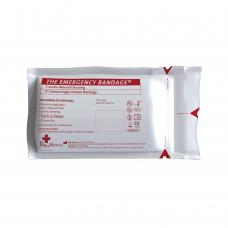
- Compression bandage (so-called Israeli bandage) – 1 pc.
- Gel-based occlusive plaster – 1 pair.
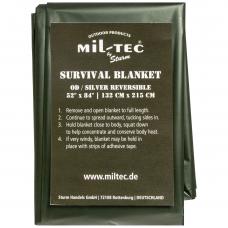
- Individual rescue thermal blanket – 1 pc.
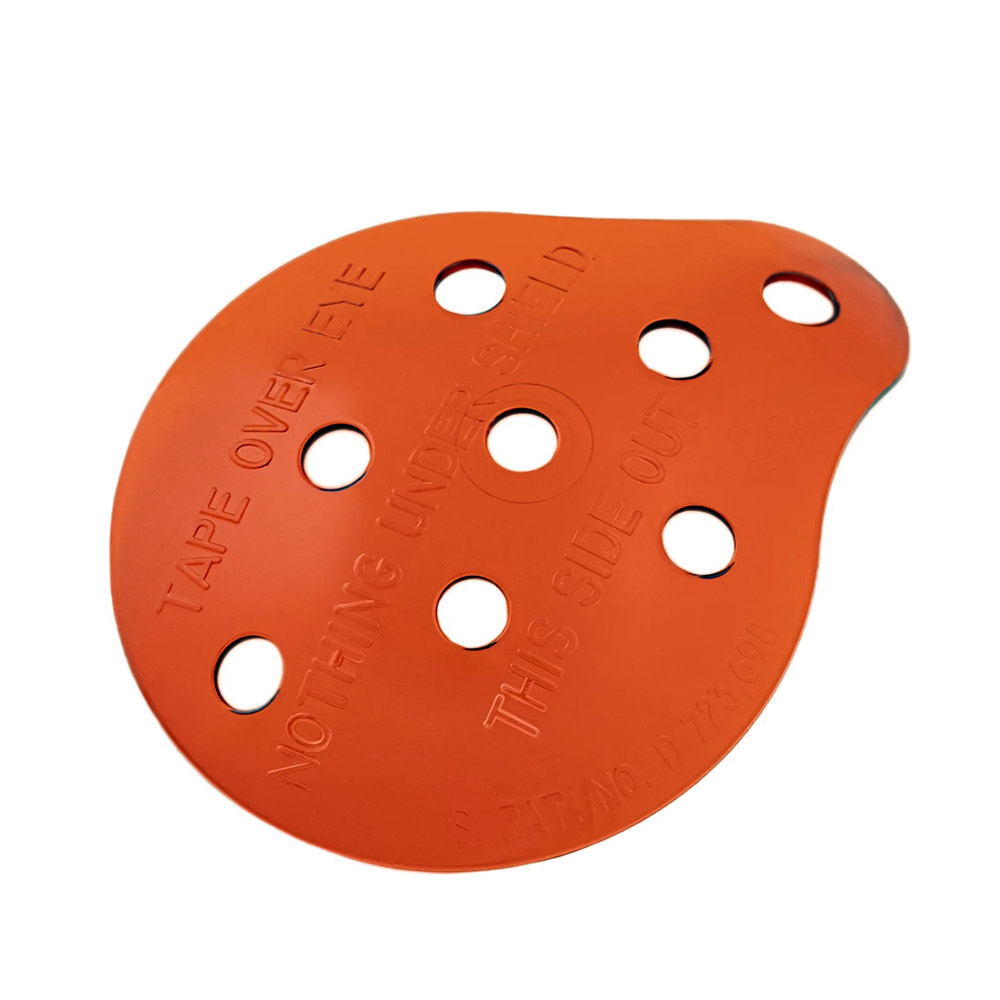
- Protective hard eye shield – 1 pc.
- Nitrile gloves (sizes M and L) – 1 pair each.
- Tactical scissors (non-traumatic) – 1 pc.
- Fabric-based adhesive tape – 1 pc.
- Permanent marker – 1 pc.
- Standard Combat Card – 1 pc.
- Medical pouch – 1 pc.
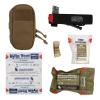
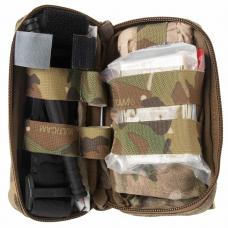
IFAK first aid kit
The contents of the IFAK first aid kit comply with NATO standards and the MARCH battlefield care protocol in the TCCC (Tactical Combat Casualty Care) concept. Since 2023, the US Army has been using an upgraded version of IFAK Gen. 2.
It contains the following components inside:
- C-A-T Tourniquet – 2 pcs.
- Combat Gauze Z-fold – 1 pc.
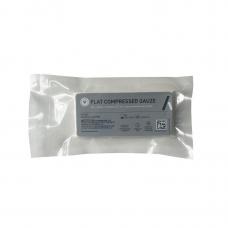
- Compressed Gauze – 1 pc.
- ETD 4 in. Flat – 1 pc.
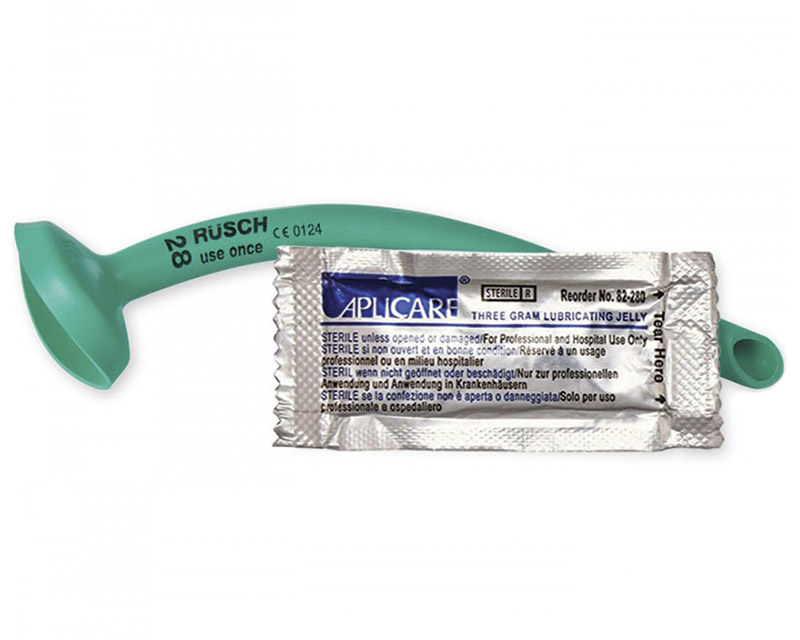
- 28F Nasopharyngeal Airway – 1 pc.
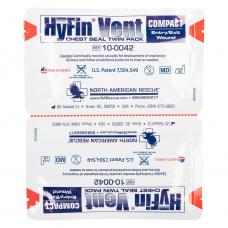
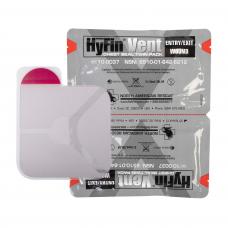
- HyFin® Vent Chest Seal Twin Pack – 1 pair.
- Nitrile Gloves Lg – 2 pairs
- Eyeshield with garter – 1 pc.
- Mini Duct Tape 2 in. – 1 pc.
- Model 7 Rescue Hook – 1 pc.
- Permanent Marker – 1 pc.
- Combat Casualty Card – 1 pc.
- Medical pouch – 1 pc.
Main components of military first aid kits and their role
The general military individual first aid kit contains medical supplies that can be divided into several categories. Each of them is important and should not be neglected, as they were included in the list based on the needs of real combat situations.
Hemostatic agents
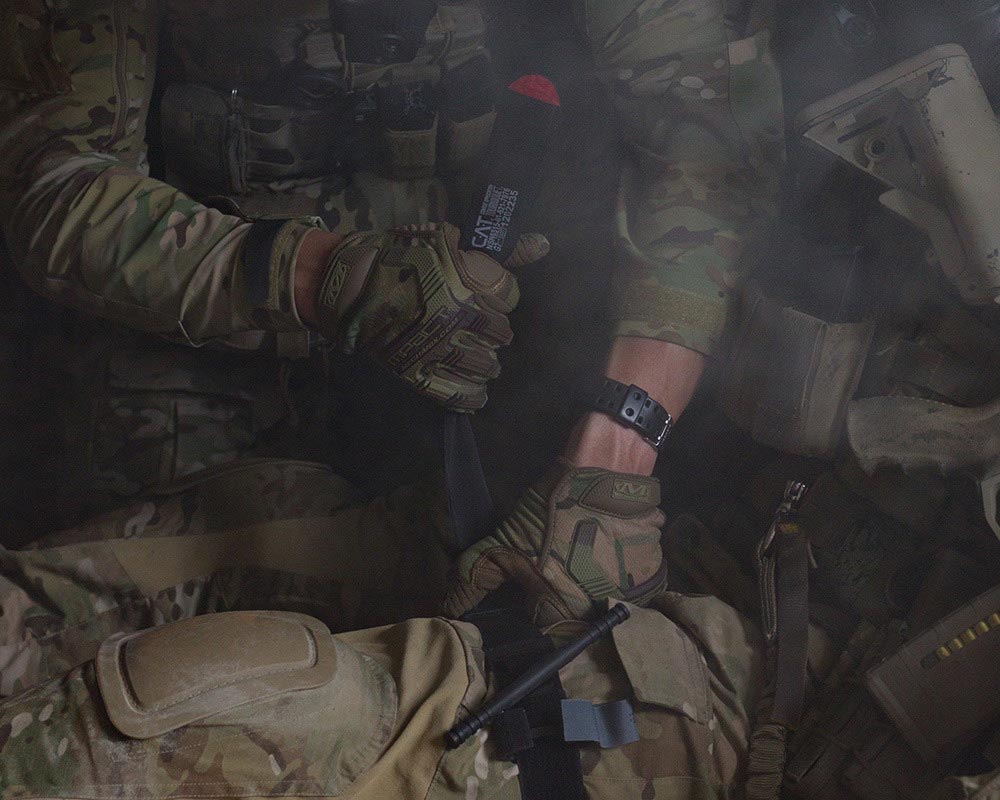
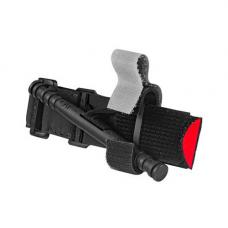
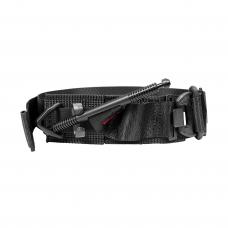
Tourniquets are used by modern armies around the world to stop arterial bleeding. The principle of its operation is based on creating pressure on the limb mechanically using a special strap and a strong turnbuckle. Currently, the most popular tourniquet is the Combat Application Tourniquet (C-A-T) Gen. 7, which is the fastest, safest, and most effective tourniquet ever developed. It is manufactured by North American Rescue®, an American company specializing in the development and manufacture of emergency medical equipment.
Among Ukrainian analogs, SICH and Dnipro tourniquets meet the requirements of the TCCC.
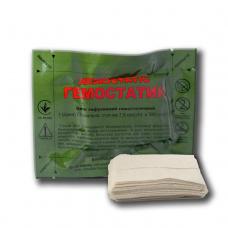
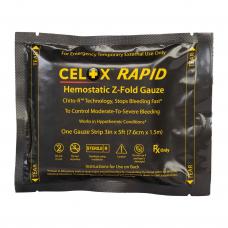
A bandage with a hemostatic agent is used to tamponade wounds and accelerate blood clotting. This is achieved by impregnating the bandage with a special agent such as zeolite, kaolin, or chitosan. These bandages are also visible on X-rays, which simplifies work with the wound channel.
A compression bandage, also known as an Israeli bandage, acts as a pressure bandage on a wound. Its design allows it to be applied with one hand without assistance.
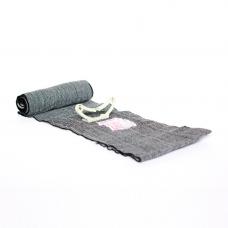
The S-shaped bandage is used as an additional layer to fill the wound channel in combination with a hemostatic bandage or compression bandage. It can also be used as a backing for hemostatic dressings or for dressing small wounds.
Medicines to restore breathing
A nasopharyngeal tube is used to restore airway patency. In case of loss of consciousness, there is a possibility of tongue collapse, so a tube is inserted into the nasal cavity to create an independent airway.
The occlusive patch is intended for field treatment of open and/or tension pneumothorax. This patch always comes in a set of two patches for closing the inlet and outlet openings.
Minimally invasive devices
A protective hard eye shield is placed over the injured eye to protect it from external influences and prevent further injury.
Fabric-based adhesive tape is used for bandages, eye shields, and nasopharyngeal tubes.
Nitrile gloves create a protective barrier against blood-borne infections during first aid.
The Combat Casualty Card is a brief reference guide about the victim's condition and the first aid measures provided.
A permanent marker is used to record the time the tourniquet was applied and to fill out the victim card.
A rescue thermal blanket helps to retain heat and prevent hypothermia. It has a metallized coating and maintains body temperature by preventing overheating and hypothermia.
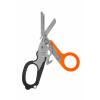
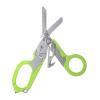
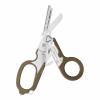
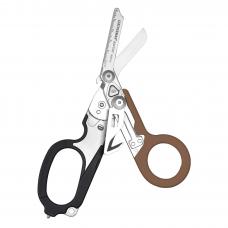
Tactical (paramedic) scissors have a blunt blade edge and are designed to quickly cut through clothing, footwear, and equipment, thereby providing access to the affected area.
How to keep a first aid kit ready?
A first aid kit, like any piece of equipment, is a tool that you not only need to know how to use, but also how to maintain. Below are the key points to follow to keep your first aid kit ready for use.
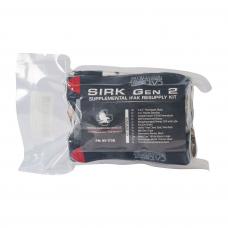
Firstly, after each use of the first aid kit, check the items that are present and missing at the permanent deployment point. Make sure that all consumables are replenished before each deployment. Each item can be purchased separately or as a set. They are most often called Resupply Kits.
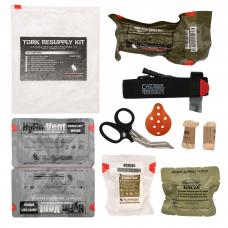
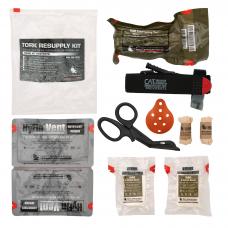
It is necessary to check the expiration dates of medical supplies at least once a quarter. Even products from well-known brands will not be of any use if they have expired, even if they are still in good condition. Such medical supplies can be donated to training centers as educational materials for trainees.
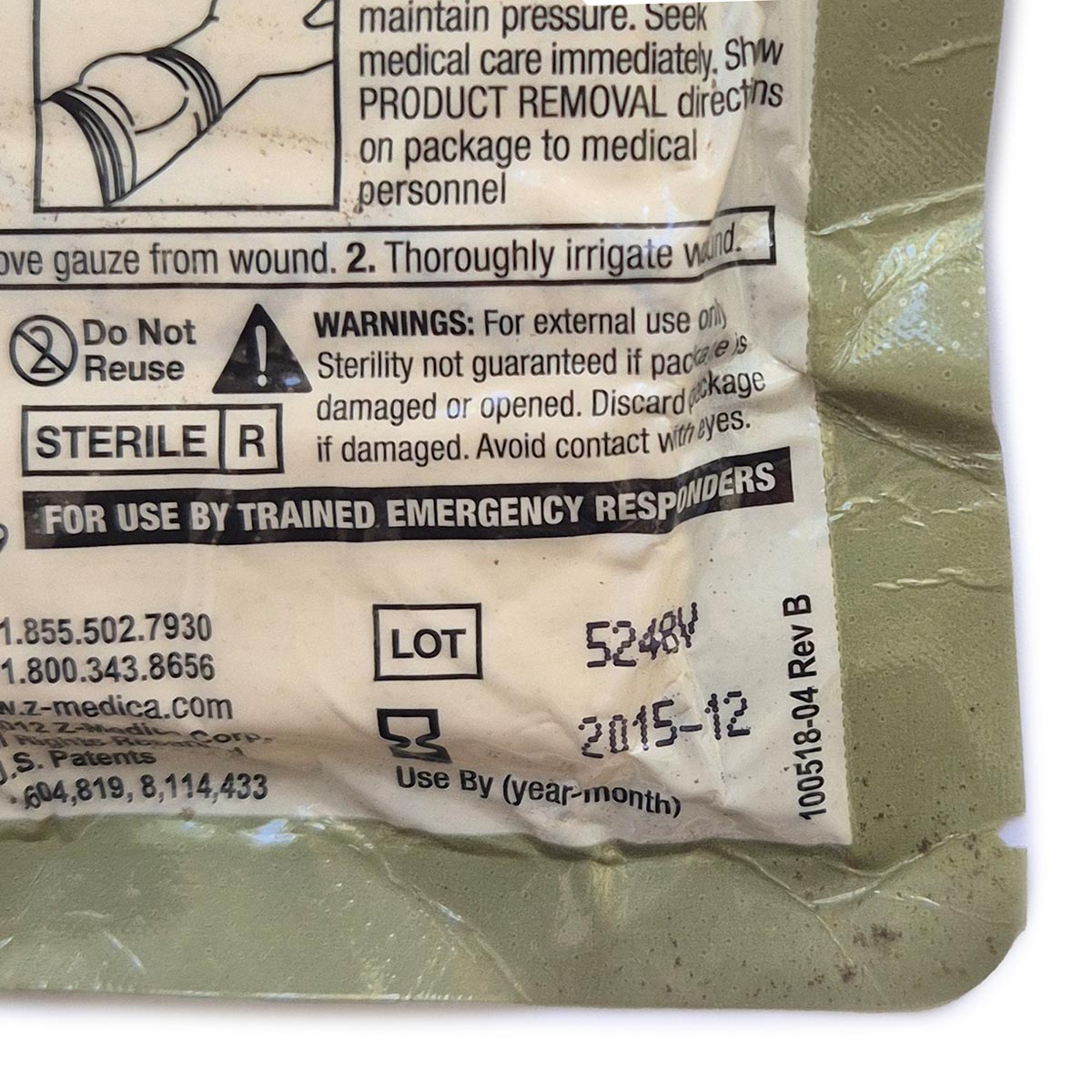
A military first aid kit contains items that do not spoil, but can wear out or break over time. The marker may dry out, and the Velcro on the tourniquet may become clogged with dirt and fail to secure the tourniquet when needed. Therefore, it is better to make sure that additional medical instruments are in working order. For example, tactical scissors, eye shields, markers, tourniquet fasteners, etc.
You can also protect yourself from unexpected situations and check the integrity of the pouch and all the items inside it. Constant carrying and friction can damage the protective packaging, leading to the vacuum packaging opening and loss of sterility. Such items become ineffective and can no longer be used.
Simple actions and discipline will help you be always prepared, as will a well-stocked first aid kit, which can help save lives.