



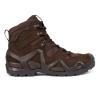
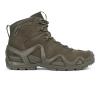
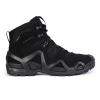
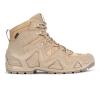
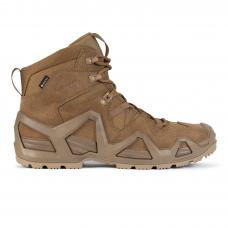
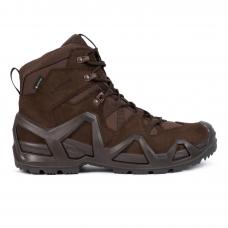
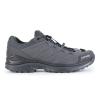
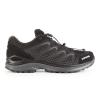
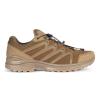
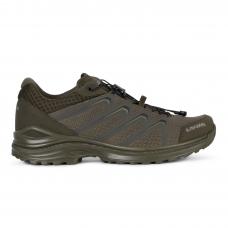

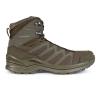
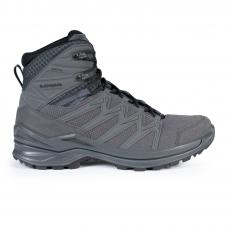
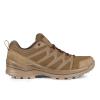
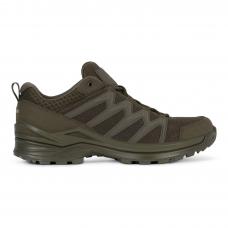
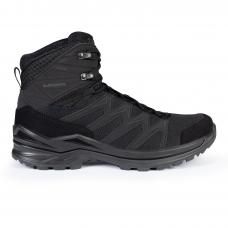
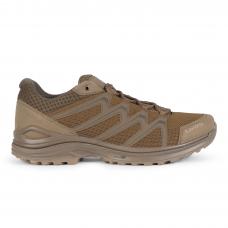
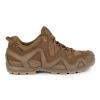
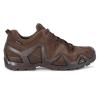
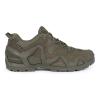
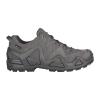


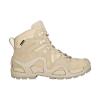
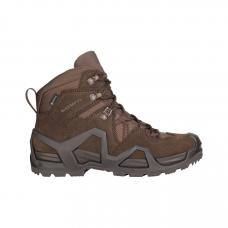
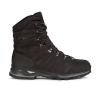
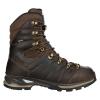


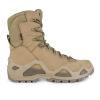
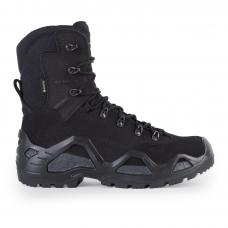
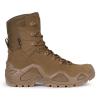
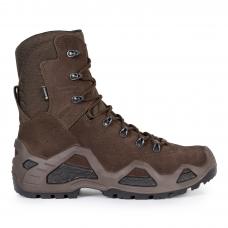
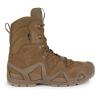
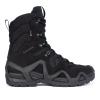
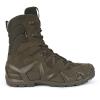
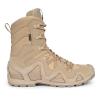

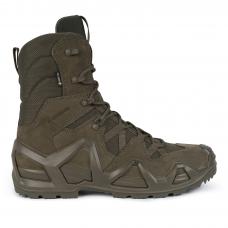
In hiking, the details make all the difference. The wrong footwear can drain up to 40% of your energy and, in a critical situation, might even cost you your life. Tactical hiking footwear is a powerful protection system that works in all conditions.
What happens if you choose the wrong boots? First, they start to rub. After a few hours, blisters form. By the evening of the first day, part of the group is already struggling to walk at full capacity. On the second day, the blisters burst, increasing the risk of infection. The hike turns into a painful ordeal.
The Importance of Reliable Footwear in Hiking Conditions
Why is footwear such a crucial piece of gear? When walking on uneven terrain, the foot experiences a load of up to 1.7 times the body weight with each step. Over the course of a day’s hike, this results in thousands of micro-injuries that accumulate.
Forest hiking boots must perform several tasks at once:
- Protect against mechanical injuries. Forest terrain is full of hazards—sharp branches, rocks, and tree roots. A punctured foot can mean the end of the hike.
- Ensure stability on any surface. Hikers encounter various types of ground, from wet clay to slippery rocks.
- Maintain proper foot positioning. Incorrect walking biomechanics lead to ligament micro-injuries. Proper foot support reduces fatigue during long hikes.
- Wick away moisture. Regular boots trap sweat, while tactical footwear efficiently removes moisture.
Properly designed hiking footwear reduces energy expenditure by up to 30%. This means you use less effort for the same route.
Types of Tactical Hiking Footwear
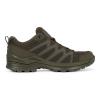
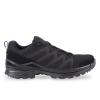
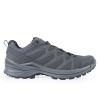
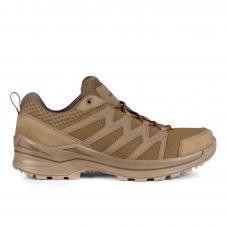
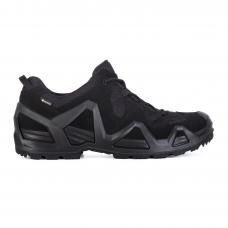
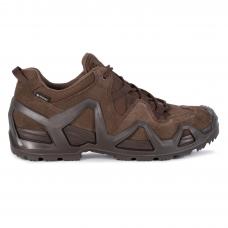
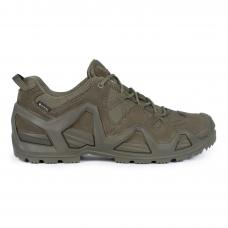
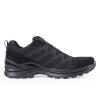
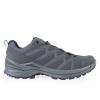
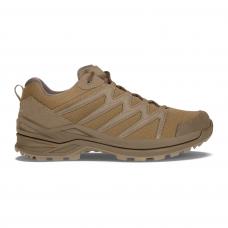
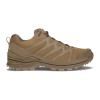
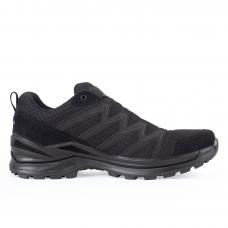
Tactical hiking footwear falls into several categories based on its purpose. Low-cut tactical shoes (ankle-high) are ideal for light day hikes on flat terrain. They are lighter than high-cut models and provide good mobility.
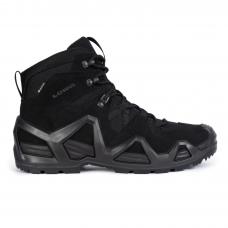
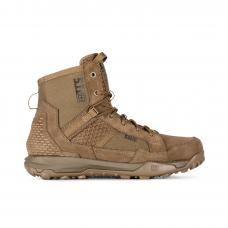
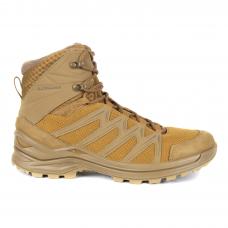
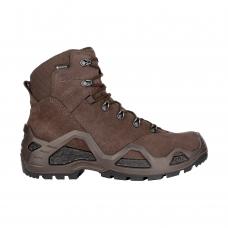
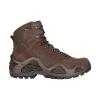
Mid-cut models (mid-height boots) offer a universal solution for most hikes. They protect the ankle from twisting and prevent debris from getting inside.
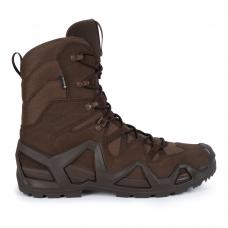
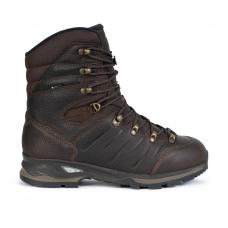
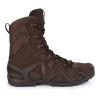
High-cut tactical boots are necessary for difficult routes with steep climbs, rocky terrain, or snowy conditions. They provide maximum protection for the shin and ankle.
Mountain tactical footwear is designed for extreme high-altitude conditions. The construction is compatible with crampons for ice trekking.
Choosing the right tactical hiking footwear depends on the specific conditions of the route, season, and hike duration.
Key Features of Tactical Models
How do professional models differ from regular hiking boots? They feature a durable upper with minimal seams. High-strength leather or a leather-synthetic combination is used. Seams are positioned to minimize chafing and are either glued or double-stitched.
Anatomical last designed with biomechanics in mind. Hiking boots should match the foot shape precisely, providing arch support and keeping the heel in the correct position.
Multi-layer sole with different stiffness zones. The outer layer ensures traction, the mid-layer provides cushioning, and the inner layer stabilizes the foot.
Ventilation and moisture-wicking system. Ventilation channels and membranes allow sweat to escape while keeping water out.
Reinforced toe and heel protection. These areas are strengthened with additional layers to protect against impacts.
Choosing Hiking Footwear at Prof1Group
Our catalog features professional footwear for any hiking conditions from leading manufacturers:
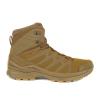
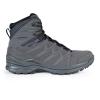
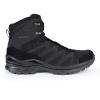
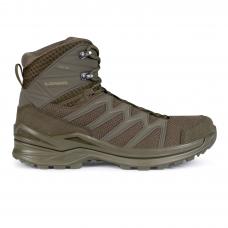
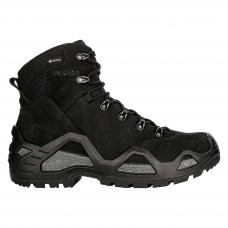
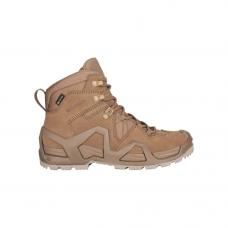
LOWA® — a German brand specializing in high-quality trekking footwear. LOWA models combine reliable protection with anatomical comfort. Special attention is given to foot support systems, which are critical for long-distance hikes.
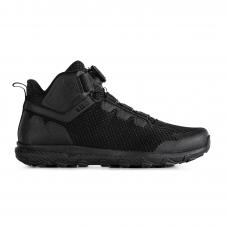
5.11 Tactical® — an American brand that creates tactical gear for professionals. Their hiking models stand out for their durability and functionality. Key features include reinforced protection in critical areas and a quick-lacing system.
When choosing footwear in our store, consider the following factors:
- Season compatibility. Summer models feature ventilation inserts, while mid-season boots include a Gore-Tex membrane.
- Terrain type. For forest trails, choose mid-height models with protection against branches and insects; for rocky terrain, opt for reinforced toe protection.
- Hike duration. The longer the route, the more critical anatomical foot support and quality cushioning become.
Our consultants will help you select the perfect pair for your specific needs. All products are certified and come with an official manufacturer’s warranty.