



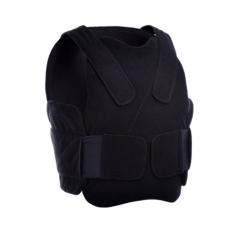
Take a steel plate in your hands, then a polyethylene one of the same class, and the difference in weight will be felt immediately. That is why protection made from ultra-strong polyethylene has displaced steel in many tasks in recent years. It is noticeably lighter and does not create dangerous fragments upon impact. Below, we will break down how polyethylene armor plates are built, how they differ from steel and ceramic, and who they are suitable for.
What polyethylene armor plates are and why UHMWPE is considered a modern material
These are hard ballistic plates pressed from many layers of ultra-strong polyethylene under pressure and temperature. Unlike metal, polyethylene armor plates are not forged, but literally bonded from thin fiber tapes, and because of this they come out lightweight. UHMWPE material is valued for its record strength-to-weight ratio. Such lightweight armor provides rifle-level protection where steel would be too heavy to carry.
Main advantages of polyethylene armor plates
The strengths of the material come from its low weight. In practice, this turns into a whole set of advantages:
- low weight that is felt from the first minute;
- wearing comfort even during many-hour tasks;
- reduced load on the back and shoulders;
- high mobility and freedom of maneuver;
- convenience during active movement and running.
The longer a person stays in equipment, the more noticeable this difference becomes, because lightweight armor plates save energy. And saved energy means speed, attention, and ultimately safety.
How polyethylene armor plates differ from steel ones and why weight matters
Steel was the standard for a long time, but it has two serious disadvantages: heavy weight and a dangerous fragmentation effect. Upon impact, a steel plate can create secondary fragments that injure the neck and arms, while a polyethylene armor plate stops the bullet inside the layers without ricochet or metal spall. Weight here is not about comfort for the sake of comfort: the lighter the plate, the longer the fighter maintains mobility and the faster they react.
Differences between polyethylene and ceramic armor plates
The comparison with ceramic is more nuanced, as each material has its own strengths:
- polyethylene is lighter and is not afraid of drops and minor chips;
- ceramic stops heavier threats, including armor-piercing ones;
- polyethylene is easier to store and maintain;
- ceramic is more often used as part of a composite for higher classes.
Pure UHMWPE armor plates win in weight, but against a number of armor-piercing ammunition types, they alone are not enough. Therefore, for a higher class, a composite is made: ceramic in front destroys the core, and polyethylene catches the remnants. A combination also works well where the plate is supplemented by soft ballistic protection, which covers fragments and pistol threats.
UHMWPE material and its features
It is worth speaking separately about the polyethylene itself. UHMWPE is ultra-high-molecular-weight polyethylene, the same material also referred to by the abbreviation UHMWPE. Its fibers are thinner than hair, but stronger than steel in tensile strength at equal weight. Upon a shot, they stretch, absorb energy, and distribute it over the area, preventing the bullet from passing inside. The material also has a nuance: it does not like high temperatures, so UHMWPE armor plates should not be left in an overheated car and should be stored according to the instructions.
Who polyethylene armor plates are suitable for
Such plates are chosen where weight and mobility are critical. These include assault groups, reconnaissance, and operators for whom speed is important, as well as everyone who spends long hours in equipment. The plates themselves are placed in Plate Carrier plate carriers according to the required size and cut. For civilians who need personal protective equipment without unnecessary mass, this is also a reasonable choice. If the task requires maximum class against armor-piercing threats, it is wiser to look toward composite or ceramic.
Why choose quality polyethylene armor plates
The spread on the market is large, and cheapness here is dangerous. A quality plate is certified, has an honest protection class and stable wear resistance, not just attractive marking. Before buying polyethylene armor plates, clarify the class according to the standard, the date and storage conditions, as well as the manufacturer’s reputation. Reliable protective equipment serves for a long time and works predictably, and this, not a low price tag, should come first. Check the parameters and availability in the product card.