







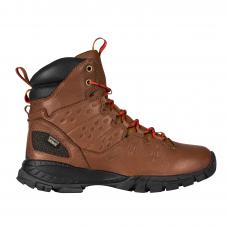

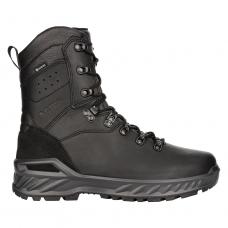
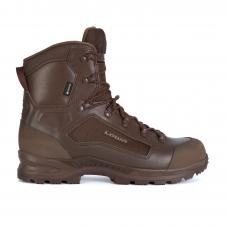
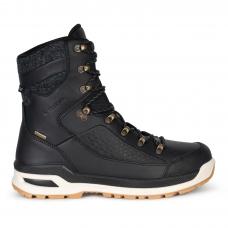
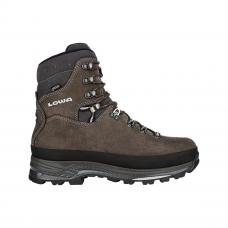
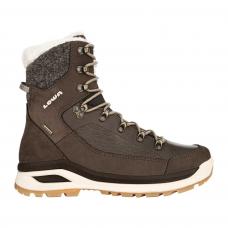
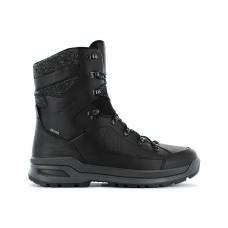
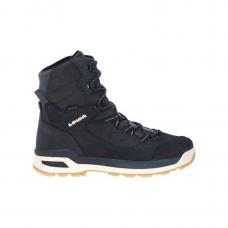
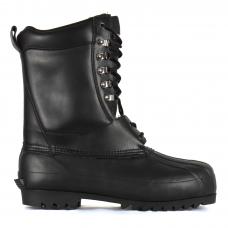
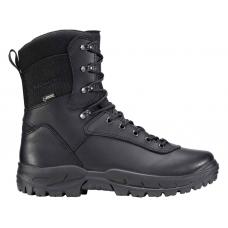
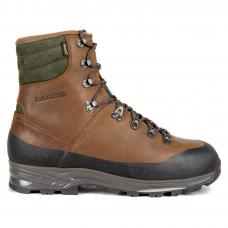
At -20°C, regular footwear becomes dangerous. In just 15 minutes, feet lose sensitivity. After 30 minutes, frostbite begins. That’s why winter combat boots are not just about comfort—they are about survival.
What happens during frostbite? First, the toes become numb. Then, control over the foot is lost. Eventually, movement becomes impossible. In combat conditions, this is extremely dangerous.
NATO winter boots are designed based on real combat conditions. They undergo testing at extreme temperatures, in deep snow, and during prolonged static positions.
Military winter boots are not just insulated versions of regular boots. They feature a completely different design with specialized systems:
- Multi-layer insulation with air pockets.
- Moisture-wicking membranes.
- Thermal insulating insoles.
- Frost-resistant soles.
Unlike civilian footwear, high-cut winter boots are not designed for fashion. They are engineered to save lives in extreme conditions. The difference becomes clear when you stand in freezing temperatures for an hour or march through knee-deep snow.
Winter Combat Boots: Protection from Cold and Slush
How does military footwear protect against the cold? Leather winter combat boots use a multi-layer construction. Each layer has a specific function:
- Outer layer — durable, water-resistant leather. It prevents snow and water from entering while also protecting against mechanical damage. The material remains flexible even in extreme cold.
- Middle layer — insulation. Professional models use specialized materials that retain heat even when wet. Lowa winter boots feature innovative insulation that preserves up to 90% of heat, even at -30°C.
- Inner layer — a comfortable lining that wicks moisture away from the foot. A removable insole with a thermal-reflective coating provides additional protection from cold coming from the ground.
- Special sole construction — a crucial element of protection. These boots feature multi-layer soles with air pockets that act as thermal insulators. The material does not harden in freezing temperatures and ensures traction on slippery surfaces.
These models are ideal for those who spend extended periods outdoors in cold environments. Ukrainian Armed Forces winter boots are designed to withstand temperatures down to -30°C while maintaining full tactical functionality.
Important: Unlike regular winter footwear, women's winter combat boots and men’s military models provide warmth even in static positions. Whether standing guard or lying in ambush, your feet stay warm thanks to active thermal insulation.
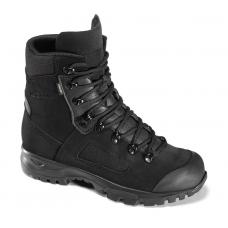
Besides protection from the cold, combat boots in Ukraine must also handle slush. That’s why professional models feature high-cut uppers to keep snow and dirt out. The lacing system ensures a snug fit around the leg, preventing snow from slipping inside.
Key Features of Military Winter Footwear
Professional military footwear outperforms civilian boots in extreme conditions. Leather winter combat boots are designed for situations where replacing footwear is impossible. Key features include:
- Dual-layer waterproofing: a combination of water-resistant leather and internal membranes provides double moisture protection.
- Specialized insulation retains heat even when wet, unlike civilian alternatives.
- Frost-resistant soles remain flexible at low temperatures and provide excellent grip on ice. Ukrainian military winter boots perform even at -40°C.
- Multi-layer removable insoles effectively wick moisture, retain heat, and block cold from the ground.
- Reinforced boot structure maintains its shape during prolonged use, protecting the ankle from injuries.
How to Choose Winter Combat Boots
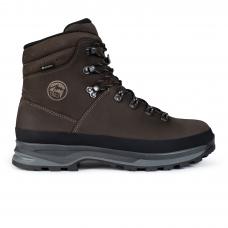
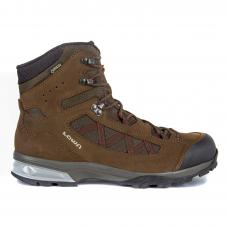
What should you consider when choosing winter boots? First, determine your needs. For deep snow and active movement, opt for high-cut models with deep tread soles. If you frequently move in cold weather, check out Lowa combat boots with a Gore-Tex membrane. These boots wick sweat away and prevent overheating during intense movement.
For long stationary positions, strong thermal insulation is essential. Buying winter combat boots with double insulation is ideal for those who spend extended periods in low temperatures.
Check the lacing system. It should provide a secure fit and be easy to adjust while wearing gloves. Military winter boots often feature upper lace locks for quick adjustments.
Examine the stitching quality. Professional boots use double or triple stitching with water-resistant threads. All seams should be sealed or reinforced with protective elements.
Try the boots on with the socks you plan to wear in winter. A perfect fit means the boots are snug but do not squeeze the foot. Keep in mind that women's models have a different last, designed for anatomical differences.
Winter Tactical Footwear Collection at Prof1Group
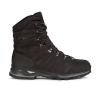
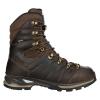
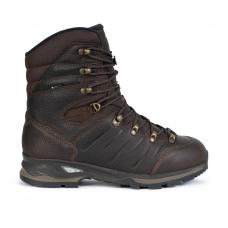
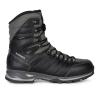
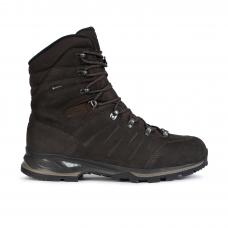
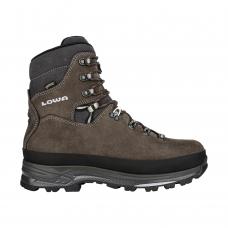
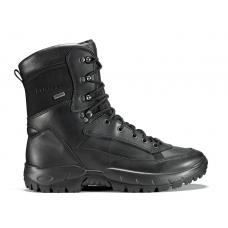
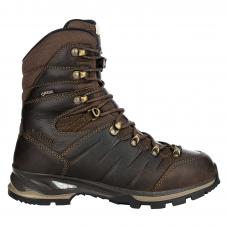
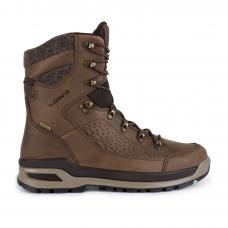
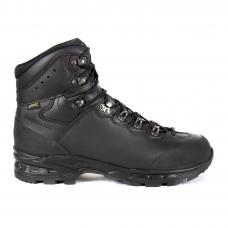
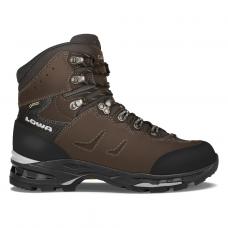
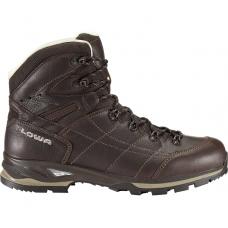
PROF1Group offers professional winter models from LOWA. The Yukon Ice GTX Hi model provides protection in extreme conditions down to -30°C with a high-cut design, Gore-Tex membrane, and specialized insulation.
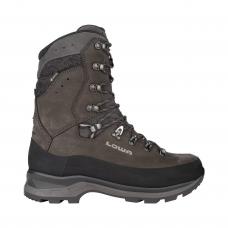
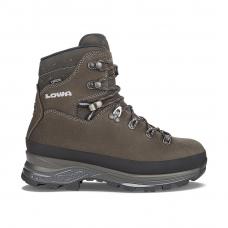
For maximum protection, NATO winter boots such as the LOWA Tibet EVO 200 GTX HI are available. These boots are used by special forces operating in mountainous environments.
All products are original, come with an official warranty, and meet military quality standards.