



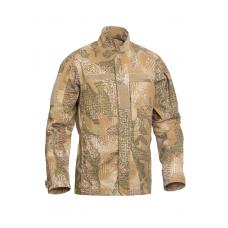
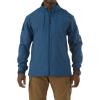
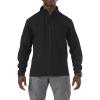
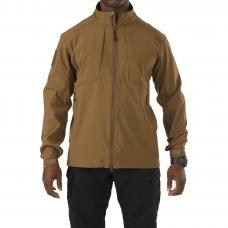
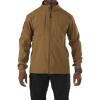
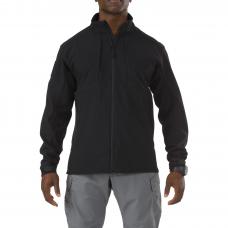
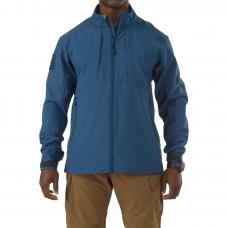
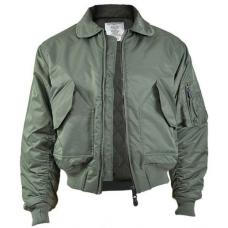
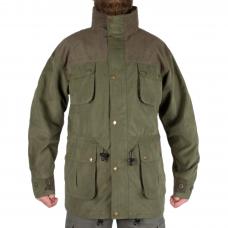
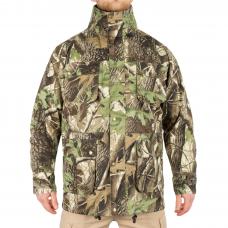
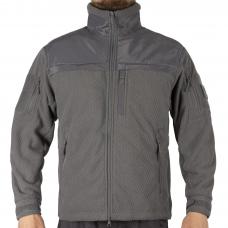
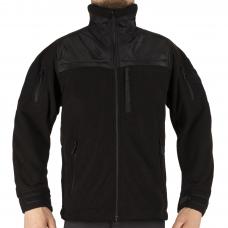
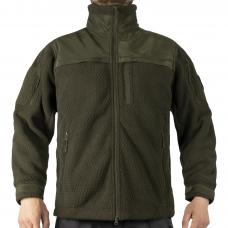
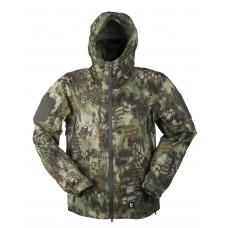
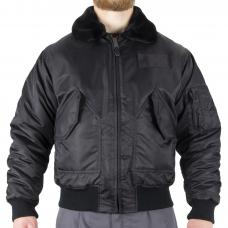
Standard jackets are not suitable for professional use. Pockets are poorly placed, can't hold specialized gear, and wear out quickly. Military and special forces require a tactical jacket with chest pockets for quick access to documents, radios, maps without removing gear.
Convenience and practicality
The main advantage is instant access to equipment. Chest pockets are located in the natural range of arm movement. No need to unclip the belt, remove a backpack, or undo multiple fasteners.
Ergonomics are designed down to the details. Pockets are angled for easy item retrieval. Sizes are tailored for standard equipment:
- documents;
- radios;
- navigators;
- notepads.
Secure closures ensure safe storage. Zippers, Velcro, and flaps prevent loss of valuable items during active movement — especially important for documents and electronics.
Jackets for special forces have extra inner pockets for classified materials. Hidden compartments protect against accidental discovery during inspections.
Features of a tactical jacket with chest pockets
Pocket placement is asymmetric for right- and left-handed users. The main document pocket is on the dominant side. Additional pockets are evenly distributed.
Chest and sleeve pockets complement each other. Sleeves hold small items: pens, markers, multitools. Chest pockets store larger gear:
- radios,
- tablets,
- maps.
Jackets with flaps and Velcro ensure silent opening. Metal zippers make noise and can give away position. Velcro works silently — vital for stealth operations.
Moisture protection is achieved through water-repellent flaps. They block rain from entering pockets. Electronics and documents stay dry even in heavy rain.
Reinforced pocket seams support the weight of heavy equipment. Double stitching and reinforced patches prevent tearing under strain.
Materials and protection
Softshell jackets combine wind protection with breathability. A three-layer membrane blocks weather from the outside and wicks moisture from the inside — comfort during any activity.
Ripstop fabric prevents the spread of tears. Specially woven threads stop damage at the source. The jacket lasts for years under heavy use.
Durable materials in high-stress areas. Shoulders, elbows, and pockets are reinforced with extra fabric layers or synthetic leather.
Application
The chest-pocket tactical jacket for mid-season is suitable year-round in moderate climates. Ideal temperature range: -5 to +15°C. Versatile for most operations.
Chest pockets are perfect for documents. Protective flaps prevent moisture and loss.
Special compartments with elastic holders are designed for radios and maps. Equipment stays secure while running or crawling.
The military-style jacket with pockets is tailored for army tasks. Camouflage patterns include:
- Ukrainian digital;
- multicam;
- coyote;
- olive.
These colors ensure concealment across diverse landscapes.
How to choose the right jacket
Define the season of use. Mid-season models without insulation are suited for spring/fall. Winter versions include added insulation.
The number of pockets depends on gear volume. Minimum setup: 2 chest, 2 side pockets. Expanded setups add sleeve, back, and inner jacket pockets.
PROF1Group offers trusted models: P1G Altitude for year-round wear, Ventus Level 5 for mid-season, MONTICOLA for winter, and P1G-Tac Smock with maximum pocket capacity.
Size should accommodate additional clothing and gear. Try on with full kit: body armor, belt, pouches.
You can buy a chest-pocket jacket in our store both online and offline at our military surplus shop.
Choose quality gear — it's the foundation of professional equipment. A reliable jacket ensures organized gear storage and fast access during critical moments.