


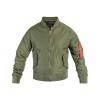
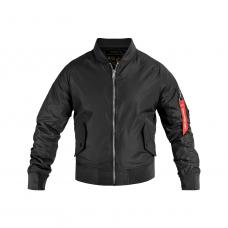
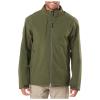
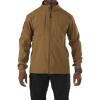
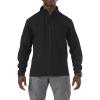
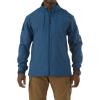
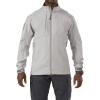


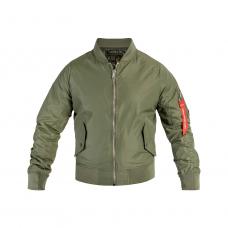
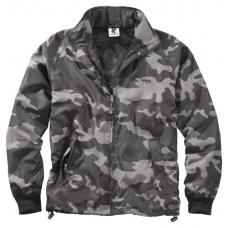
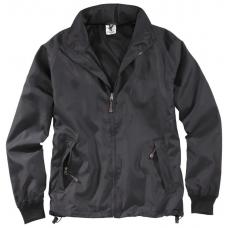
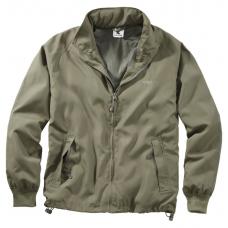
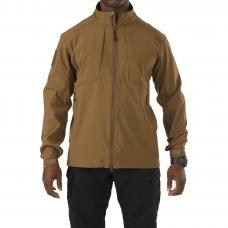
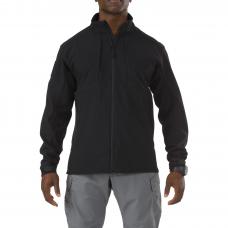
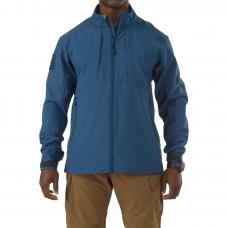
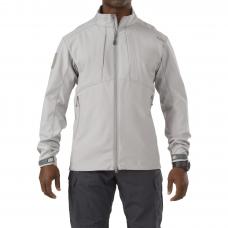
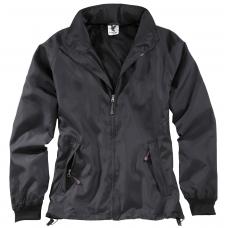
Standard jackets aren’t suitable for active operations. They rustle during movement, lack proper pockets, and tear under intense use. Professionals need a specialized tactical windbreaker jacket that offers wind and rain protection without restricting mobility.
This type of tactical clothing is designed with military service, hunting, and extreme tourism in mind. Every element serves a specific function.
Model Features
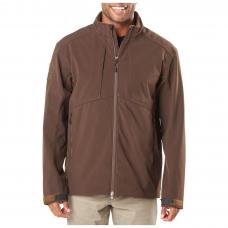
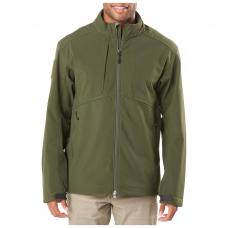
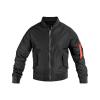
The men's tactical windbreaker is lightweight outerwear for mid-season and warm weather. Its main function is to protect against wind, light rain, and sun while maintaining full mobility.
The differences from regular jackets are crucial. Tactical models have a special cut that doesn’t hinder movement during weapon handling. Pockets are positioned to avoid interfering with gear and allow quick access to equipment.
Silence is critical — the fabric must not rustle and reveal your position. This is vital for:
- hunters,
- military personnel,
- special forces.
A lightweight tactical jacket weighs 300–600 grams versus 800–1200 for regular ones. Weight savings matter during long treks or when carrying gear.
Construction Details
An extended cut protects the lower back when bending or working in unusual positions. Regular jackets ride up and expose the spine.
An adjustable hood stays on during rapid movement. Drawcords help fit it over a helmet or hat. Many models have a removable hood for versatility.
Pockets are a core feature. External pockets hold:
- magazines,
- radio,
- documents.
Internal pockets protect valuables from moisture and loss. All zippers are backed with Velcro for silent operation.
Velcro-adjustable cuffs fit over layers or gloves. A snug fit blocks wind without restricting circulation.
Ventilation is built into mesh inserts under the arms and on the back, preventing overheating during intense activity. A hooded jacket with ventilation suits a wide range of weather.
Materials & Functionality
Softshell is a modern material that combines wind protection and breathability. Its 3-layer structure includes a durable outer shell, membrane, and soft lining. These jackets allow freedom of movement without sacrificing protection.
Nylon with various coatings is a classic tactical material. Ripstop weaving prevents rips from spreading. Polyurethane coatings ensure water resistance.
Reinforced areas on elbows and shoulders extend service life — these spots face the most wear from crawling, leaning, and carrying a backpack.
DWR water-repellent treatment makes water bead and roll off the fabric. It’s effective against light rain and dew and can be restored with special sprays after washing.
Reflective elements are minimal or absent in tactical jackets to reduce visibility in the field.
How to Choose a Tactical Windbreaker
Season determines material thickness and insulation. Mid-season models suit +5 to +20°C. Summer jackets protect from sun and wind in hot conditions.
Purpose affects construction. For hiking, tourism, and outdoor use, choose models with more pockets and reinforcements. Simpler versions work for city wear.
Size must account for layering. A tight jacket restricts movement. An oversized one flaps in the wind and makes noise.
PROF1Group offers proven models: 5.11 Tactical with ergonomic design, and P1G-Tac series:
- Ventus Level 5,
- Altitude,
- MONTICOLA,
- Smock in various colors.
Select color based on mission. Camouflage is for field use; solid tones are for general-purpose wear. Ukrainian Digital Camo and MTP/MCU are ideal for local conditions.
Buy a tactical windbreaker only after trying it on with full gear. Check arm mobility, pocket access, and hood fit. A quality tactical jacket will last for years if chosen and maintained properly. Also browse our T-shirts — a smart addition to any outfit!