


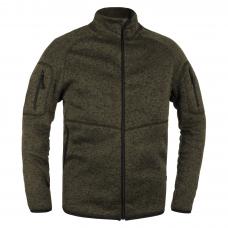
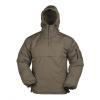
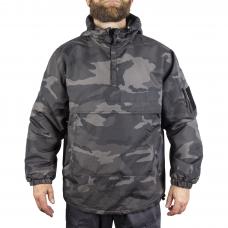
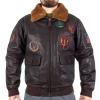
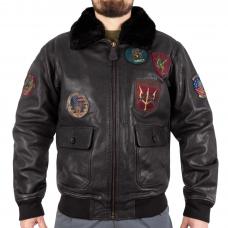
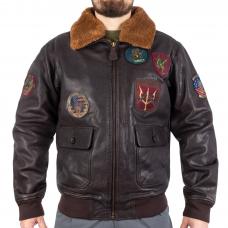
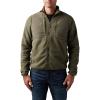
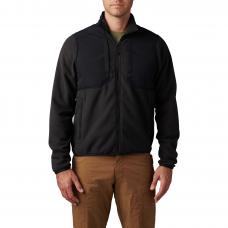
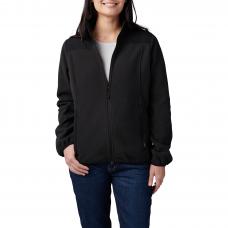
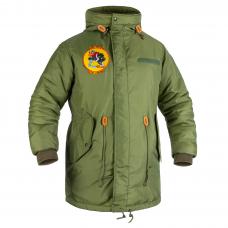
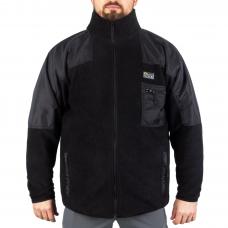
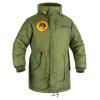
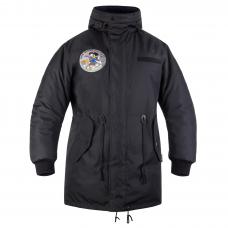
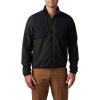
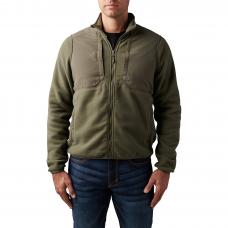
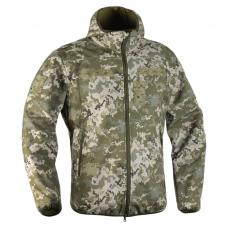
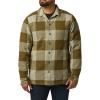
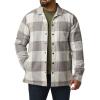
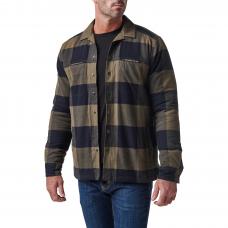
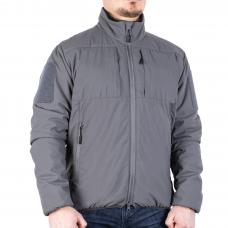
Outdoor leisure — in forests, mountains, or by rivers — demands clothing with durability that ordinary city wear cannot provide. Hikers, hunters, and anglers need gear that protects against the elements, withstands contact with branches, and allows freedom of movement. A tactical jacket for nature fits this need—it’s based on military design yet adapted for civilian use. PROF1Group® offers models from P1G®, 5.11 Tactical®, and Sturm Mil‑Tec® that meet these demands.
Differences from Regular Jackets
A tactical jacket for active outdoor recreation differs from everyday clothing in three key aspects: durability, functionality, and cut.
- Durability. Rather than thin fabrics, wear-resistant materials are used—nylon, polyester, Rip-Stop blends (like in the P1G® “LEGATUS”), and SoftShell. Stress points are reinforced, and hardware (zippers, snaps) is built for heavy use.
- Functionality. The placement and number of pockets are designed for quick access to necessary gear—navigator, knife, flashlight, documents, map—even when wearing a backpack.
- Cut. An anatomical shape of sleeves and back enables full freedom of movement. The hood includes adjustments to protect against wind and rain.
Advantages for Outdoor Recreation
Tactical gear used outdoors provides clear benefits. It won’t tear on the first snag of a branch, resist drizzle, and protect from wind—especially vital in the woods where conditions can change rapidly. Camouflage jackets, such as the P1G® “MONTICOLA-Camo” in MTP or MM-14, offer concealment appreciated by hunters and wildlife observers.
Many models function as mid-season jackets. For example, fleece options like the Sturm Mil‑Tec USAF Jacket or the French F2 can be worn alone in dry weather or layered under a rain shell. A layering system offers flexibility with changing conditions.
Materials and Functionality
Choosing materials defines the jacket’s intended use.
- SoftShell. Used in mid-season models. It protects from wind and light rain while remaining breathable, wicking moisture during activity.
- Nylon, polyester. Used in windbreakers and anoraks (e.g., Sturm Mil‑Tec “Combat Anorak Summer”) and rain jackets—often with water-resistant treatment.
- Blend fabrics (cotton/polyester). Used in rugged field models, offering breathability and resistance to campfire sparks.
- Fleece (Polartec®, microfiber). Lightweight, warm fabric for insulating layers.
Modern tactical outdoor jackets feature functional details like two-way zippers for ventilation, adjustable Velcro cuffs, drawcord hems, and deep hoods—allowing customization for various conditions.
How to Choose a Tactical Nature Jacket
To select a tactical jacket for the outdoors, align your choice with your needs:
- Seasonality. Define primary use season. For summer, a light anorak or windbreaker works well. For winter, go with an insulated parka like P1G® “MONTICOLA-Camo” with Hollowfiber insulation. For spring/fall, a fleece or SoftShell.
- Activity type. For active trekking, choose breathable SoftShell. For low-activity scenarios like fishing or setting up camp, prioritize wind and water protection and insulation.
- Material. For high durability, opt for blended fabrics. For wind and water resistance with mobility, go with SoftShell.
- Color. Camouflage, green or brown suit hunting and wildlife observation. Brighter colors offer visibility for mountain hikes or group outings.
Where to Buy
PROF1Group® offers outdoor gear rooted in military-grade design. Browse our catalog for models from P1G®, 5.11 Tactical®, and Sturm Mil‑Tec® available in sizes XS–3XL. We help outfit every body type and task. Visit our stores in Kyiv, Lviv, Kharkiv, or connect via online chat for product details and expert assistance.