





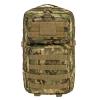

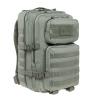

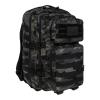
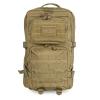


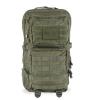


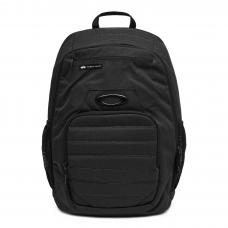
The contents of a backpack are often more important than the bag itself, so protection against rain and accidental immersion in water becomes a critical factor when choosing one. A waterproof backpack keeps electronics, documents, and spare clothing dry even in the most unfavorable conditions during hiking or service. In this article, we examine the different types of these backpacks, their features, and ways to check the actual water resistance of the material.
What Types of Waterproof Backpacks Are Available?
The market offers several categories of products that differ in their level of moisture protection and construction. tactical backpacks with a water-repellent treatment can withstand light rain and splashes but are not designed for complete immersion in water. A more advanced category – waterproof models with a sealed roll-top closure – can withstand brief immersion in water without leaking inside.
When buying a waterproof backpack, it is important to clearly understand the intended use: occasional rain in the city is one thing, while regular water crossings are another. A men's waterproof hiking backpack is usually equipped with an internal dry bag that provides an additional layer of protection for the main compartment.
The Difference Between Water Resistance and Full Waterproofing
When choosing a specific model for your needs, it is important to distinguish between two concepts that may seem similar at first glance. Water-resistant material repels moisture on the surface, but seams and zippers remain potentially vulnerable areas during heavy rain. Full waterproofing involves welded seams and a roll-top closure that prevents water from entering even during brief immersion.
Features of Military and Hiking Water-Resistant Backpacks
A waterproof backpack for military tasks is made from dense fabric with a reinforced water-repellent treatment that resists abrasion and cuts. This treatment needs to be renewed over time, so manufacturers recommend periodically applying additional protective treatments to the fabric.
This construction can withstand crawling through mud, contact with thorny vegetation, and prolonged exposure to the outdoors. Hiking places similar demands on a backpack: travelers need their gear protected when crossing a river or kayaking. The main design features of these models can be summarized in a short list:
- Taped or welded seams prevent moisture from leaking through the points where fabric panels are joined.
- A roll-top closure with several folds creates an additional barrier against splashes and rain.
- Internal pockets made from water-resistant fabric protect documents and electronics separately from the rest of the contents.
This combination of features makes the backpack suitable for use in highly demanding conditions.
What Models Can You Find at Prof1group?
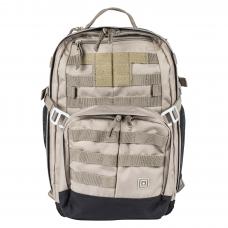
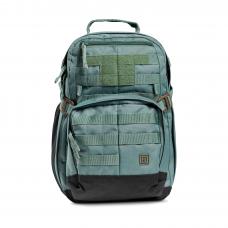
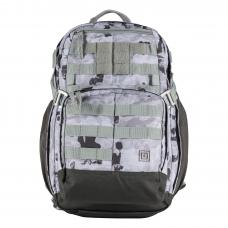
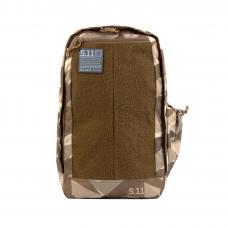
The catalog includes waterproof backpacks in various capacities, from compact daypacks to spacious options for multi-day trips. Waterproof fishing backpacks are available as a separate category due to the specific requirements for storing fishing gear and wet clothing. 5.11 backpacks are represented in the range by individual models with a high level of moisture protection and reinforced hardware.
How to Check the Water Resistance of the Coating
Before purchasing, it is worth asking the seller about the product's protection rating, as not every water-resistant backpack provides the same level of moisture protection. A simple test is to place a few drops of water on the fabric and observe whether they bead up and roll off or soak into the material.
Below are several additional signs that can help identify a genuinely high-quality model:
- The absence of visible stitching in the lower part of the backpack reduces the risk of water leaking through the seams.
- A secure roll-top closure without looseness or gaps indicates careful product construction.
- A certificate or specified water-resistance rating in the product description confirms the stated characteristics.
This type of check helps prevent disappointment when a backpack becomes soaked after the first heavy rain. It is also worth paying attention to the seams around the shoulder strap attachment points, as these are often the first areas where leaks appear after prolonged use.