



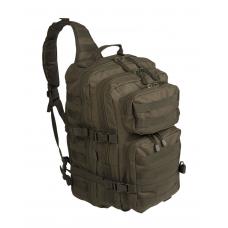
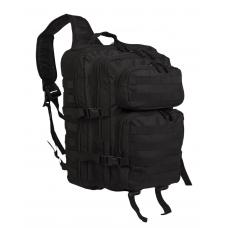
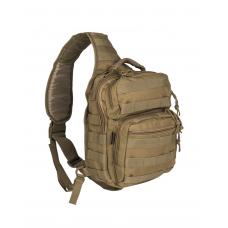
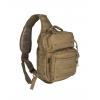
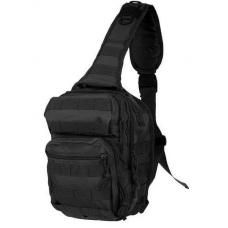
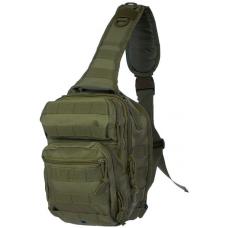
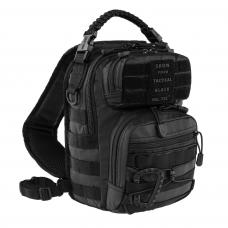
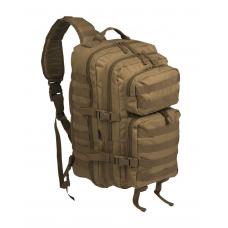
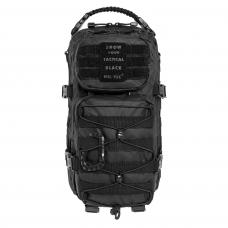
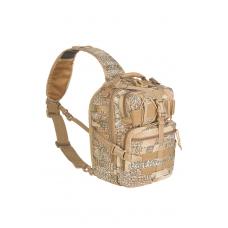
Compact gear requires well-thought-out solutions, especially when mobility and quick access to equipment are critical. A tactical single-strap backpack is chosen for situations where there is no time to remove gear or place it on the ground. Thanks to the single strap, the backpack can be easily moved from the back to the chest while maintaining full control over its contents, which is especially important in dynamic environments.
Unlike classic backpacks, single-strap models are designed for clear organization and stability during active movement. They are suitable for field tasks as well as for urban use when a compact format without excessive volume or overload is required.
Key features of a tactical single-strap backpack
A tactical sling backpack is designed for function, not appearance. The construction is carefully engineered so that the load is distributed evenly and access to compartments remains fast.
Features include:
- reinforced seams and durable materials;
- MOLLE system for attaching pouches;
- anatomically shaped adjustable strap;
- well-organized internal layout;
- compact volume without loss of functionality.
This quick-access backpack allows you to carry an EDC kit, first aid supplies, communication devices, and personal items without overload or internal clutter.
Who a tactical sling backpack is suitable for
The sling format is chosen not for fashion, but for specific tasks. It is convenient where standard backpacks interfere or require unnecessary movements.
A tactical sling backpack is suitable for:
- military personnel and law enforcement officers;
- shooters and instructors;
- hikers and active movement enthusiasts;
- users who need a compact EDC backpack;
- those who value mobility in urban environments.
Due to their compact size, these backpacks do not snag on gear and do not restrict movement in transport or confined spaces.
Single-strap tactical backpacks in the PROF1 Group catalog
PROF1 Group builds its assortment with real operating conditions in mind. The catalog includes single-strap tactical backpacks designed to withstand load, wear, and long-term use.
We select models based on the following criteria:
- quality of materials and hardware;
- logical compartment layout;
- reliable attachment points;
- compliance with tactical standards.
Each backpack in the catalog is intended for practical use rather than decorative wear. The listed specifications reflect the real capabilities of the products.
Price and practicality: what affects the cost
When choosing tactical gear, it is important to understand what determines its price. The cost of a tactical single-strap backpack is driven not by appearance, but by durability and reliability in real operating conditions. The primary factor is materials. Dense synthetic fabrics with high abrasion resistance retain shape better, resist tearing under load, and maintain performance during long-term use.
The second key factor is construction. A high-quality tactical sling backpack features reinforced seams, strong zippers, and reliable attachment points. This directly affects content security and product lifespan. Cheaper models often lose shape, stretch, and fail under regular load.
Internal organization also influences the price. Well-designed compartments, gear fixation, and MOLLE compatibility allow the backpack to function as a full EDC backpack without internal chaos. This approach saves time and reduces the risk of equipment damage.
The decision to buy a tactical single-strap backpack is justified when consistent performance in urban or field conditions is required. It is not a one-time purchase, but a piece of equipment expected to handle daily loads without needing replacement after a single season.
Why buy a backpack from PROF1 Group
When choosing tactical gear, not only the model matters, but also the source. PROF1 Group works with specialized products and builds its assortment based on real-world use. The catalog features backpacks designed for load, wear, and long-term operation.
We recommend selecting models with clear specifications and predictable performance. Each backpack is vetted for material quality, assembly, and functionality. This helps avoid random purchases and ensures the right solution for specific tasks—urban use, service, or daily EDC carry.