



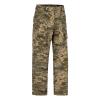
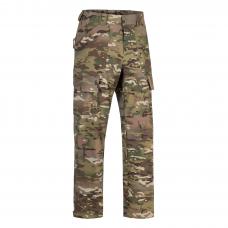
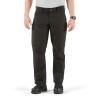
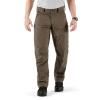
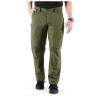
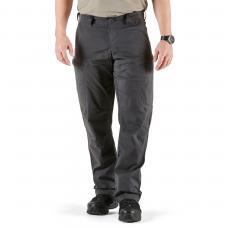

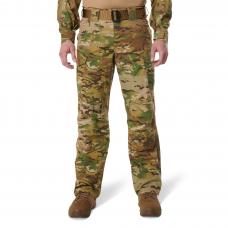

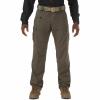
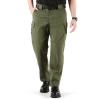
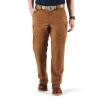
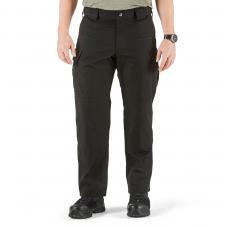
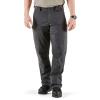
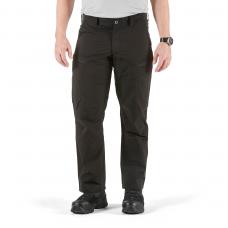
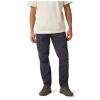
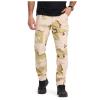
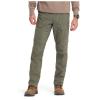
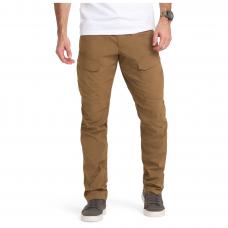
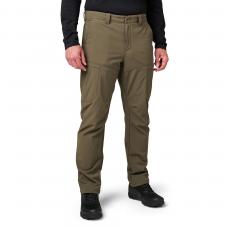
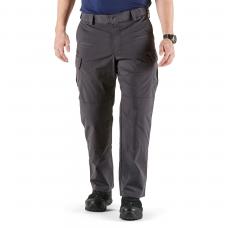
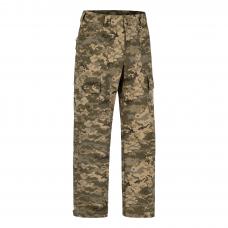
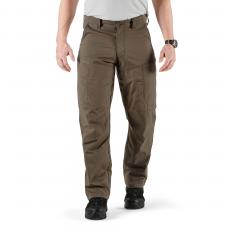
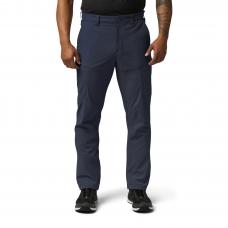
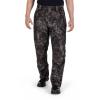
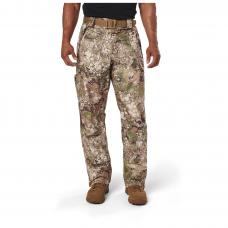
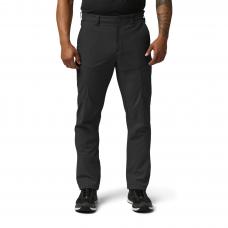
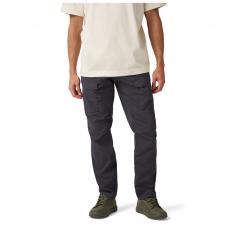
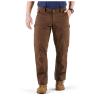
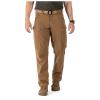
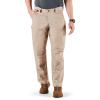
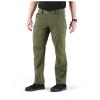
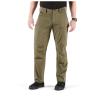
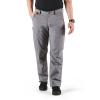
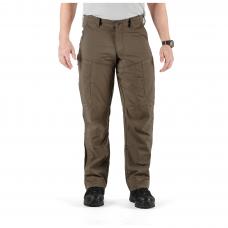
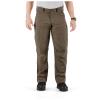
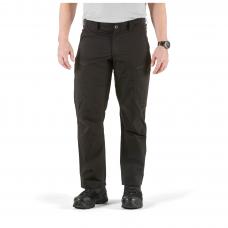
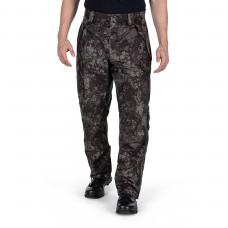
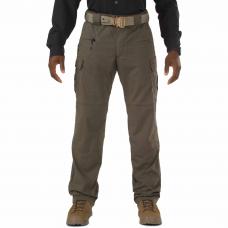
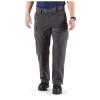
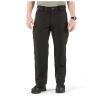
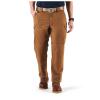
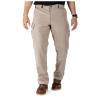
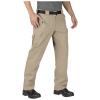
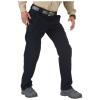
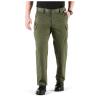
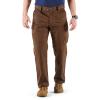
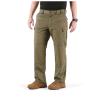
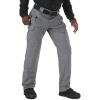
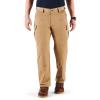
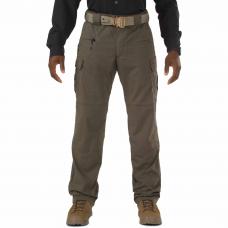
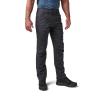

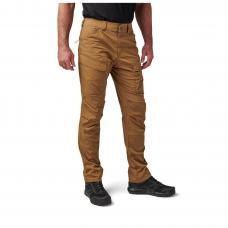
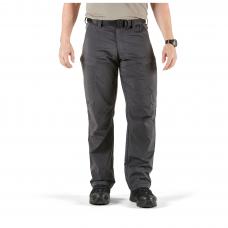
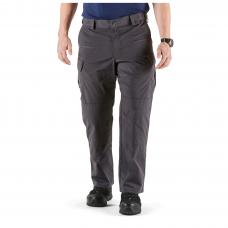
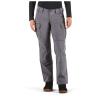
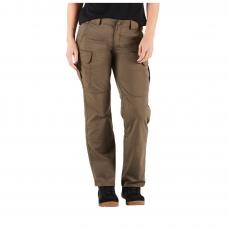
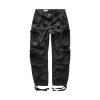
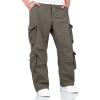
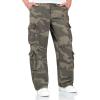
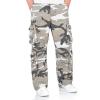
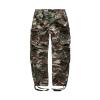
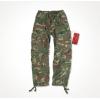
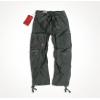
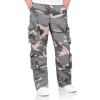
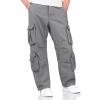
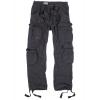
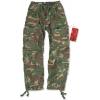
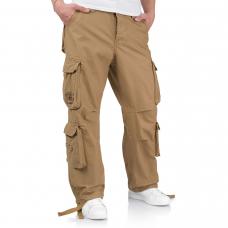
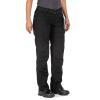
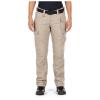
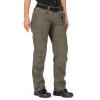
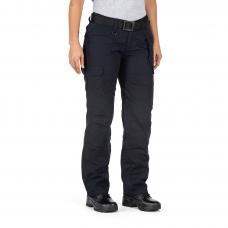
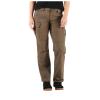
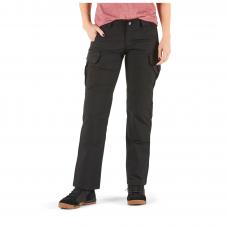
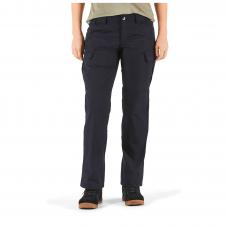
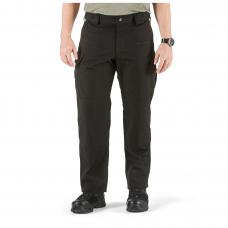
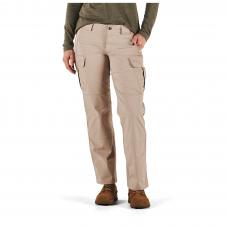
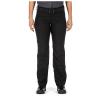
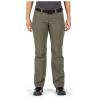
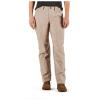
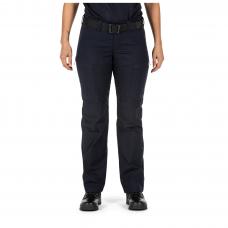
Tactical pants designed for field work and combat missions differ from standard models at first glance. Concrete debris under the knees during assault drills, thorny bushes along forest routes, handling heavy gear and weapons. In such conditions, ordinary pants quickly lose their appearance, seams split, and knees wear through after just a few outings. Durable tactical trousers are made for those who value resilience and reliability in daily operations. In our company’s catalog, this category is separated to prevent confusion with lightweight summer options.
How Durable Models Differ from Standard Tactical Pants
Lightweight tactical pants are suitable for urban wear, patrol on asphalt, and indoor training. They are elastic, breathable, and dry quickly. However, for bushcraft trips with overnight stays, assault exercises, or technical repair work, a different category is required.
Key differences between heavy-duty and lightweight models:
- fabric density from 220 g/m² compared to 160–180 g/m² in summer versions;
- reinforced knees, crotch, and seat areas;
- strengthened pockets for carrying magazines and tools;
- double or triple stitching on critical seams;
- thicker pant cuffs and waistband.
The price and weight are higher, but service life in harsh environments increases significantly. We recommend this category for those working in constant contact with rough surfaces.
Technologies That Make Pants “Indestructible”
Main technologies:
- rip-stop weave with reinforced thread every 5–8 mm to prevent small cuts from spreading;
- Cordura high-density nylon in high-abrasion zones;
- Teflon coating repelling water, dirt, and oil;
- 65/35 polyester-cotton blend balancing durability and comfort;
- 2–5% elastane adding mobility without sacrificing strength.
Durable tactical trousers often combine several technologies in one model, such as a rip-stop base with Cordura knee panels and full-surface DWR treatment.
Construction Features of Heavy-Duty Tactical Pants
Fabric technology is only half the equation. The other half is cut and hardware. Tactical pants with Cordura or reinforced uppers are designed to withstand combat-level stress.
What distinguishes a serious pair:
- reinforced threads in stress zones: knee bends, crotch, belt loops;
- internal compartments for padded inserts or hard knee pads;
- reinforced seat and gusset construction to prevent tearing during deep squats;
- double-layer fabric on the lower 10–15 cm of pant legs for boot abrasion resistance;
- buttons with metal cores, YKK zippers or equivalent quality.
Pocket layout also differs. Standard configuration includes two front pockets, two rear pockets, two cargo thigh pockets, and additional thigh compartments for multitools or magazines. Pocket seams are double or triple stitched for added durability.
Where These Pants Are Used Beyond Military Service
Reinforced tactical pants are widely used outside the military sector:
- survival instructors and mountain guides;
- height specialists: industrial climbers, antenna installers, power line maintenance crews;
- hunters and long-distance anglers;
- forestry workers and rescue personnel.
For all these tasks, heavy-duty tactical pants function as workwear with expanded tactical capabilities.
How to Care for Durable Tactical Trousers
Heavy fabric does not mean “wash however you like.” To preserve water-repellent properties and fabric integrity, follow a simple care routine:
- wash at temperatures up to 40°C without bleach;
- avoid fabric softeners, as they clog fibers and damage DWR coating;
- air dry flat, avoid machine drying;
- remove resin stains with cold water and mild soap, not solvents;
- reapply water-repellent spray once per season.
Regularly check zippers and buttons for smooth operation. Dust buildup damages hardware faster than the fabric itself. If unsure about a specific model, our company can assist — store managers know manufacturer recommendations for each series.