


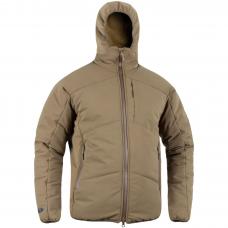



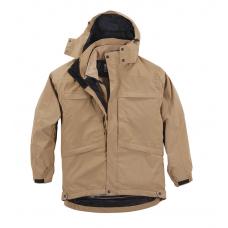


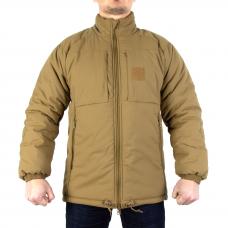
Coyote has long become a standard color for tactical clothing thanks to its versatile camouflage properties in different natural environments. A coyote winter jacket combines this color with insulation designed for extended periods in freezing conditions without restricting mobility. Below, we have collected answers to the questions customers most often ask before choosing a model.
What Color Are Coyote Jackets?
Coyote is a blend of sandy and light brown tones resembling dry grass and soil during the colder months. This coyote camouflage works equally well in steppe, urban, and semi-desert environments without standing out against dry vegetation. This is why tactical jackets in this color remain popular among both military personnel and hunters.
What Types of Coyote Winter Jackets Are Available?
The range is divided into several categories depending on the season of use and type of insulation. A coyote softshell jacket is a good choice for those looking for a mid-season option with a wind-resistant membrane and no bulky insulation.
For freezing winter conditions, a men's coyote winter jacket with dense synthetic insulation is more suitable, as it retains warmth even during extended periods outdoors. The range usually includes the following options:
- Mid-season models with a thin lining, designed for temperatures around freezing.
- Winter models with thick insulation for activities in sub-zero temperatures.
- A coyote tactical winter jacket with a hood that protects the neck and head from wind and precipitation.
The choice of a specific option depends on the climate of the region and how actively the wearer will be moving.
Range of Coyote Jackets at Prof1group
The catalog includes coyote jackets in different cuts, from straight-cut models for everyday wear to anatomical designs intended for use with load-bearing gear. This variety makes it possible to select a model for a specific task rather than having to adapt to a single available option.
Each model is checked for consistent fabric color because uneven dyeing within a production batch can noticeably reduce camouflage effectiveness. The size range is selected so that the jacket can be worn either on its own or over a warm clothing layer in severe cold.
What Should You Consider When Choosing a Jacket?
Before purchasing, it is worth evaluating not only the appearance but also the functional details that affect comfort in field conditions. Here are the main parameters to check before ordering:
- Hood availability and adjustment. This is especially important in windy weather. An adjustable hood fits closely and helps keep cold air out.
- Number and placement of pockets. Consider pockets for radios, magazines, and other equipment. Many models offer different-sized pockets for quick access to gear.
- Lining density and insulation type. Choose them according to the climate of the region. Insulation that is too thin will not provide sufficient warmth in severe cold, while excessively thick insulation may be unnecessary in warmer conditions.
Paying attention to these details reduces the risk of finding the purchased model uncomfortable after the first outing in freezing weather.