


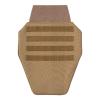
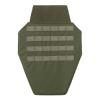


A bullet does not choose where it hits – protection should cover more than just the chest. Ballistic protection is designed specifically for areas of the body that remain vulnerable when using a basic armor plate. Combat injury statistics show that unprotected areas are affected noticeably more often than commonly assumed.
Types of Ballistic Protection
Types of ballistic protection are divided according to their purpose and where they are attached to the body. Each category covers a specific area without duplicating the others. Let's take a closer look at the available types before moving on to selection:
- Shoulder protection. Covers the upper arms and shoulder area against fragmentation and ballistic impacts. It is particularly relevant when operating in environments with a high density of enemy fire.
- Side ballistic protection. Covers vulnerable areas under the arms that are not protected by the main plate. It is attached in separate segments without restricting arm movement when raising a weapon.
- Cummerbunds. Protect the lower torso area around the plate carrier, complementing the main body armor. They are usually removable, allowing the overall weight of the equipment to be adjusted for a specific task.
- Ballistic insert for a load-bearing system. Integrates into existing load-bearing gear without requiring replacement of the entire equipment system. This solution helps reduce costs for users who already have a basic gear setup.
Soft ballistic protection typically covers the limbs and neck, where a rigid plate would be uncomfortable. The flexible material does not restrict movement and weighs noticeably less than metal or ceramic plates. In these areas, the material can stop fragments from nearby explosions as effectively as a rigid plate.
Ballistic Protection Classes
The protection class determines which type of ammunition a particular product is designed to protect against. Ballistic protection should only be purchased after understanding the differences between protection classes. Choosing the wrong class can have critical consequences in a real-world situation.
Lower classes stop handgun bullets and fragments from nearby explosions. Higher classes are capable of withstanding rifle ammunition impacts at different distances. Each higher class covers the threats of the previous level without exception.
Ballistic protection in load-bearing systems often combines several protection classes within a single setup. Removable plates make it possible to configure protection for a specific task without replacing the entire system. This modularity helps reduce costs when operational requirements change.
What Equipment Is Ballistic Protection Compatible With?
Most modern plate carriers are designed to accommodate additional protective components. Equipment is compatible when the manufacturer provides standard MOLLE attachment points or similar systems. Before purchasing, it is worth confirming the specific plate carrier model with a consultant.
Checking compatibility before purchasing saves time and money. Incompatible components may need to be modified independently or returned to the seller. Such modifications are not always possible without compromising attachment strength.
Military-standard attachment systems are used on most modern equipment. This standardization makes it easier to assemble gear from different sources without the risk of incompatibility.
What to Consider When Choosing a Set
Not every set is equally suitable for a particular task. The consequences of choosing incorrectly can be too serious to rely solely on a seller's recommendations. Consider the main selection criteria that should be checked independently before purchasing.
- the stated protection class and whether it corresponds to the actual threat;
- the weight of the complete setup during active movement throughout the day;
- compatibility with existing equipment and the plate carrier;
- the service life of the material and the product's storage conditions.
An excessively heavy setup reduces mobility and quickly causes fatigue during extended wear. The optimal balance between protection and weight should be selected according to the specific use scenario. A difference of several hundred grams may not seem significant on paper, but it becomes noticeable after just a few hours of active movement. This is why trying on the complete setup before purchasing remains the best way to assess actual comfort.
Range of Protective Equipment for Military Personnel at Prof1group
The catalog includes protective components for different tasks and threat levels. The main product categories available to order are listed below.
- shoulder and side protection from different manufacturers and in different protection classes;
- cummerbunds for the lower torso area in various sizes;
- ballistic inserts for specific plate carrier models;
- additional protective components for the limbs and neck.
Each product includes information about its protection class and compatibility. Military quality standards are confirmed for each manufacturer represented in the catalog. Consultants can help select a set for a specific task before an order is placed.

